Available Races
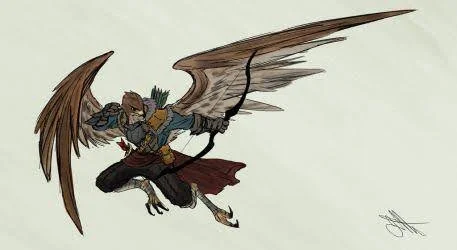
Traits
- Wild: You gain a weapon point for your Talons or Beak. It has either the Restraining or Piercing modifier. If you choose to invest more weapon points into this it increases as normal. Disadvantage on Sway in settings higher class or busier than a nice tavern.
- Dive Bomb: Once per scene, after using an action to fly, your next throw or strike check is made with major advantage. However, you are out of position after the attack.
- Fragile Flyer: You can fly as fast as you can walk/run. -1 Injury Box.
Arms & Armor
In order to fly an Aerwyn needs to be light, so if they wear any armor it's usually light armor focusing on protecting wing joints and vital areas. Crossbows are a common weapon choice. When they need to get close, Aerwyns often use long pikes, diving to gain incredible speed.
Homes & Habitats
Aerwyn homes are found high in the canopies of thick forests, ranging from simple shelters to grand, magically supported stone homes, depending on wealth and power.
Life
Aerwyns live shorter lives than most, the eldest reaching 45. They also reach adulthood faster than most, growing to maturity at about 14.
Relations
Aerwyns rely heavily on trade with other species due to limited local resources. While they mostly coexist peacefully, occasional skirmishes occur when expanding into already claimed forests.
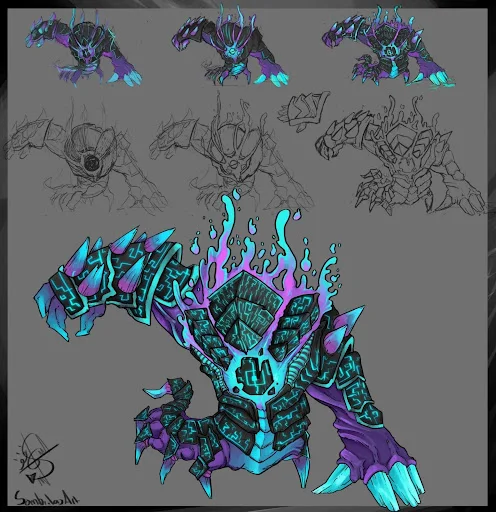
Traits
- Constructed Body: Healing checks are made with Infuse, rather than medicine. In addition you have advantage rather than disadvantage on healing checks made to heal yourself.
- Rune Scarred Skin: Once per [Rest] you or an ally may speak a phrase and hold it within you. Anytime before your next rest, as an OoTI, you can release it. The phrase uses the speaker's check and cannot be sustained. If the phrase is not used before the next rest it goes away and you heal 1 strain as the magical energy is absorbed into your body.
- Aether Blood: You have vulnerability to magic damage. Anytime you take magic damage, your next magic check made before the end of the scene has advantage.
Arms & Armor
It's uncommon for those that construct these beings to do so with weaponry or armor in mind. More often they use the element and magic that created them as a means to defend and attack.
Homes & Habitats
N/A
Life
As with most constructs, the length of life for an Aether construct appears to be theoretically limitless, as long as certain magics are maintained.
Relations
As constructed beings their relation with other beings is normally determined by their creator. People's view of Aether & elemental constructs depends much on the element that makes up their form.
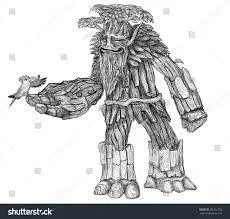
Traits
- Kin: You can speak with plants.
- Rooted: You automatically heal 1 injury during a [Rest or Downtime] when resting outside. Checks made to heal you without magic related to your makeup are done with disadvantage.
- Thick Bark: You count as wearing heavy armor without drawbacks. Repair with Endure. You have vulnerability to heat damage.
Arms & Armor
Awakened trees use their natural forms defensively, relying on bark and hard flesh rather than armor. Offensively they may carry weapons but most grow their own.
Homes & Habitats
Awakened are found wherever their original trees grew. Some remain rooted to their original locations. Others gain mobility and wander, acting as shepherds for forests.
Life
The lifespan of awakened trees depends on their species. An oak or redwood may live for a few hundred years while a fruit tree only a few decades. Awakened trees tend not to live nearly as long as their non-awakened versions.
Relations
Awakened trees spend most of their time with other non-awakened trees. When they do meet others they are generally patient and kind, but it takes a long time to truly connect with one who lives on such a different timeline.
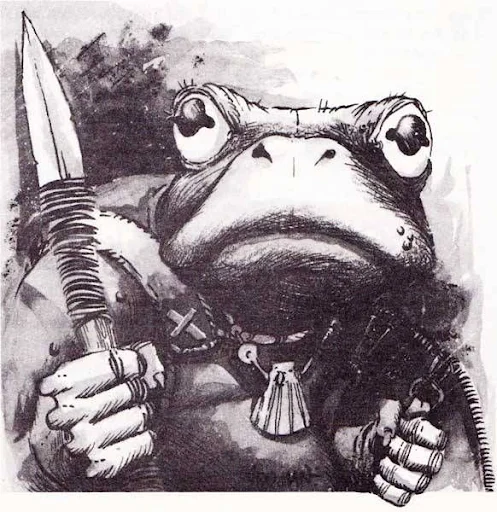
Traits
- Wild: You gain a weapon point for your tongue. It has either the Reach or Pulling modifier. If you choose to invest more weapon points into this it increases as normal. Disadvantage on Sway in settings higher class or busier than a nice tavern.
- Amphibius: You can swim as fast as you can walk/run, but cannot breathe underwater.
- Jumping: When you take the move action you can cover the distance of a range band, up, diagonal or across, in one jump. You can use multiple move actions in one jump.
Arms & Armor
Fenfolk typically use tools or weapons suited to water and shore environments, often incorporating nets or flexible, long-reaching weapons that complement their natural amphibious abilities.
Homes & Habitats
Fenfolk reside near water bodies such as rivers, lakes, and coastlines. They tend to gather in small, aquatic villages or in unique city districts where water is easily accessible.
Life
Fenfolk live around 50 years, balancing time between land and water environments.
Relations
Fenfolk tend to keep to themselves, partly due to prejudice from other species, but those who appreciate their connection to water and nature can easily earn their trust.
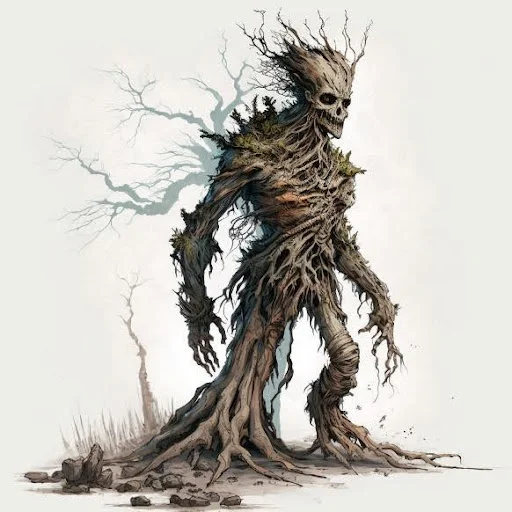
Traits
- Kin: You can speak with plants.
- Rooted: You automatically heal 1 injury during a [Rest or Downtime] when resting outside. Checks made to heal you without magic related to your makeup are done with disadvantage.
- Cursed: You gain a weapon point. It has the Vampyric modifier. If you choose to invest more weapon points into this it increases as normal. You take 1 injury or 2 strain at the start of a [Rest] if you haven't activated this modifier since your last [Rest].
Arms & Armor
Blights grow with branches, needles, or twisted growths capable of absorbing blood to grant them life. If they wear armor it is usually of natural materials.
Homes & Habitats
Blights tend to keep living within forests after they are freed. They have been known to build defensible, protective structures.
Life
Blights tend to live about 60 years. The majority do not get the chance to figure out a lifestyle, serving as soldiers. Those who are freed usually keep close to where they were grown.
Relations
Blights can be a nuisance, either acting in small armies under the control of a witch or other speaker, or attacking seemingly at random in the forests.
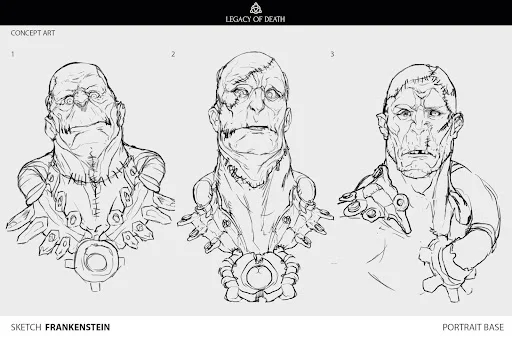
Traits
- Constructed Body: Healing checks are made with Medicine, but you have advantage rather than disadvantage on healing checks made to heal yourself.
- Jigsaw Form: Once per [Rest], you or another healer has advantage (or major advantage if it's you) on a check made to heal you if you have access to an intact body part to replace your injured ones. Overheal becomes temporary armor.
- Dead Nerves: Whenever you make a critical injury check, lower the dice [Tier] steps. (After d2,d2 a step takes away the advantage, then gives disadvantage, minimum d2,d2 with disadvantage.) [-Attribute Dice] to Maneuver.
Arms & Armor
Unlike some other constructs, those of flesh cannot grow or otherwise form their own weapons & armor. What they wield depends upon what the being who constructed them provides, or what they have found in their travels.
Homes & Habitats
N/A
Life
Flesh constructs may be theoretically immortal, but parts of even the most skillfully crafted forms must eventually be replaced, creating an ever-evolving patchwork that changes their form and even personality over time.
Relations
As constructed beings their relation with other beings is normally determined by their creator. People's view of flesh constructs is almost always terror, especially for the more crudely made where passing as a non-constructed being is nearly impossible.

Traits
- Acclimated to Altitude: [+Attribute Dice] to overpower & endure. Vulnerability to poison damage.
- Generalist: Select one trait from another Buak subspecies.
- From Behind: An enemy is treated as out of position if they have been injured by a party member since the end of your last turn, or at the start of the scene if this is the first round.
Arms & Armor
Star Headed Mace, Thick wood & Leather Shields, Crossbow
Homes & Habitats
Eastern Buaks live in stone homes on plateaus in the Broken Krags mountain range, fiercely defending their lands.
Life
Buaks live up to ~60 years. Eastern Buaks are more often called to war by their king, especially against Mountain Dwarves.
Relations
Eastern Buaks often clash with Mountain Dwarves over territory, extracting tithes from those who pass through their lands. They are also seen as vital for connecting groups separated by mountain ranges.
Traits
- Acclimated to Altitude: [+Attribute Dice] to overpower & endure. Vulnerability to poison damage.
- Highly Acclimated: You have resistance to cold damage.
- Thick Fur: +1 temporary armor box.
Arms & Armor
Star Headed Mace, Thick wood & Leather Shields, Long Spear Mace
Homes & Habitats
Northern Buaks live in high-elevation stone or wooden homes insulated with mud, clay, and straw to keep out the cold.
Life
Buaks live up to ~60 years. Northern Buaks live a few years longer. Buaks are divided into clans under chiefs, and kings only command in emergencies.
Relations
Northern Buaks rarely interact with outsiders, occasionally clashing with Winter Elves and other northern dwellers.
Traits
- Acclimated to Altitude: [+Attribute Dice] to overpower & endure. Vulnerability to poison damage.
- Group Alarm: As long as you're conscious you can add your initiative roll to [1+Tier] party members' initiative checks.
- Ambush Fighters: You can use Prowl as your initiative roll, starting the action scene hidden from any whose initiative you beat.
Arms & Armor
Star Headed Mace, Thick Shields, Sling
Homes & Habitats
Southern Buaks live in temporary homes on desert mesas, adopting a semi-nomadic lifestyle to escape threats or pursue opportunities.
Life
Buaks live up to ~60 years. Southern Buaks are the least cohesive of the Buak kingdoms, known for their trading and nomadic nature.
Relations
Southern Buaks are known as traders first. Some clans choose to harry trading caravans instead, making them the least cohesive of the 4 kingdoms.
Traits
- Acclimated to Altitude: [+Attribute Dice] to overpower & endure. Vulnerability to poison damage.
- Hooked Claw: You can climb as fast as you can move and have advantage to prowl checks when climbing.
- Through the Trees: Once per [Scene], while outside, you can communicate a short sentence worth of ideas/feelings/emotions to another party member you can see. They can respond with the same, then it ends.
Arms & Armor
Star Headed Mace, Thick wood & Leather Shields, Blowguns
Homes & Habitats
Western Buaks live in large homes in great trees with complex networks of bridges and branches.
Life
Buaks live up to ~60 years, ruled by chiefs, and only occasionally answering to kings in times of war or emergency.
Relations
Western Buaks have little conflict but rarely interact with outsiders. They have friendly relations with Autumn Elves who share the great forests with them.
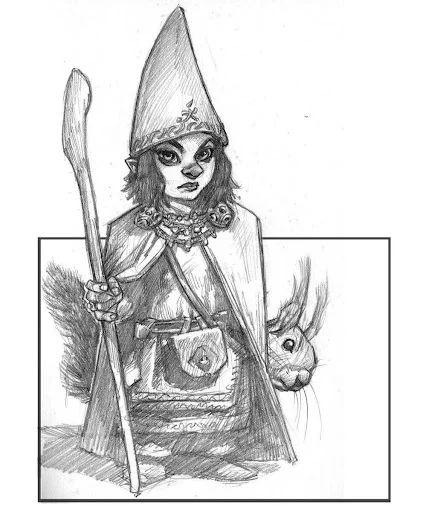
Traits
- Small: +2 to spread across Prowl & Maneuver (+1 to both or +2 to one). -1 to overpower.
- Outdoor Crafters: You gain a tool point for an outdoor-based kit/tool/equipment. If you choose to invest more tool points into this it increases as normal.
- Forest Folk: Once per [scene], grant yourself or a party member advantage on any 1 [utility] skill check made while outside.
Arms & Armor
In defense of their homes burrow gnomes rely on secrecy and traps more than direct action. When travelling most prefer light armor and simple weapons — daggers, shillelagh.
Homes & Habitats
Burrow Gnomes are a people of the earth, and their homes are masterpieces of underground architecture. Their underground rooms and homes are passed and given freely to those in need.
Life
Gnomes reach adulthood at about 30 and from there may die within a few years or hundreds. The thing that ends a gnome's life is the grey, a bleaching that starts at the tips of their hair and runs to their heart, kept at bay by new experiences and excitement.
Relations
Burrow gnomes make for strange companions — warm, clever and kind while with you, but they may need to leave with little notice, off to new adventures. Because of this many non-gnomes keep a bit of distance.
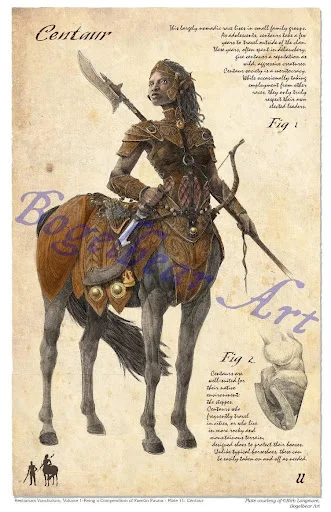
Traits
- Centaur Form: Every time you use an action to move, you can move as if you used 2 actions. You are large but do not gain an extra injury box.
- Desert Acclimated: Regain 1 strain per rest automatically.
- Desert Traders: Once per [scene], you have a minor advantage on intuit checks made while negotiating prices or payments.
Arms & Armor
Leather Cuirass, Sling, Wooden & Leather Shield
Homes & Habitats
Desert wanderers live in arid environments, often traveling across sandy expanses and forming temporary encampments.
Life
These desert dwellers are known for their resilience and can live up to 50 years, adapting to the harsh desert climate and a nomadic lifestyle.
Relations
As skilled traders, they interact with various groups, though tensions may arise due to their unpredictable trade practices.
Traits
- Centaur Form: Every time you use an action to move, you can move as if you used 2 actions. You are large but do not gain an extra injury box.
- Star Charter: Once per [Scene] you have advantage to a Navigate check made while outside.
- Nimble Movements: If you use two actions to move in a turn, you're treated as taking the dodge & brace actions until the start of your next turn.
Arms & Armor
Leather Cuirass, Lance, Bow & Arrow
Homes & Habitats
Centaurs of the plains are nomadic, living in large tents that can be taken down quickly. They range the furthest, moving across the populated lands but rarely spending time in towns and cities.
Life
Centaurs rear their children differently than most — parents are encouraged to travel the world after reaching adulthood just after 20, returning to share what they learned. Centaurs can live to about 80 years.
Relations
As a migratory people, centaurs are known as traders and expert enchanters. Their hostilities are mostly between centaur groups over grazing lands, trade routes, and specific relationships.
Traits
- Centaur Form: Every time you use an action to move, you can move as if you used 2 actions. You are large but do not gain an extra injury box.
- Surefooted: Ground-based difficult terrain doesn't slow you down. Once per [Scene], avoid being moved or knocked prone.
- Mind the Trees: Once per [Scene], when making a shoot or throw check against an enemy engaged in melee or with cover, you don't roll with disadvantage.
Arms & Armor
Armor that allows for easy movement, mostly made of non-metal materials. Bow & arrows and slings used to great effect in hunting and battle.
Homes & Habitats
Forest ramblers carry less in their travels than those of the plains, relying on what the forest provides for shelter and sustenance.
Life
Centaurs can live to about 80 years. They have a deep spiritual connection to the land and are known as expert trackers and hunters.
Relations
They have a deep connection with the autumn elves they often share the forest with. They act as guides through many deep and treacherous forests for travelers and caravans.
Traits
- Centaur Form: Every time you use an action to move, you can move as if you used 2 actions. You are large but do not gain an extra injury box.
- Insulated: You have resistance to cold damage.
- Charge: If you hit on a strike check after using an action to move, add the Staggering or Crippling modifier to the attack.
Arms & Armor
Heavy Furs & Woven Cotton, Glaive, Bola
Homes & Habitats
Tundra travelers inhabit cold regions with multiple community centers, traveling between them depending on the weather and season.
Life
Centaurs can live to about 80 years. These tundra travelers adapt to extreme cold with communal living and resource-sharing.
Relations
They connect groups separated by large mountain ranges, acting as transporters across long distances. Similar to plains centaurs, skirmishes for grazing lands and trade routes between tribes are not infrequent.
Traits
- Centaur Form: Every time you use an action to move, you can move as if you used 2 actions. You are large but do not gain an extra injury box.
- Desert Acclimated: Regain 1 strain per rest automatically.
- Desert Traders: Once per [scene] you have advantage to intuit & social checks made while negotiating prices or payments.
Arms & Armor
Leather Cuirass, Sling, Wooden & Leather Shield
Homes & Habitats
Desert wanderers live in arid environments, often in natural caves and other protective structures. They are the least nomadic of the various centaurs.
Life
These desert dwellers can live to about 80 years, adapting to the harsh desert climate. Parents travel the world after adulthood before returning to raise grandchildren.
Relations
As some of the few species that can cross the great deserts, centaurs of the desert connect the north and south through trade. They occasionally run into trouble with the Southern Buaks but travel in larger caravans to keep safe.
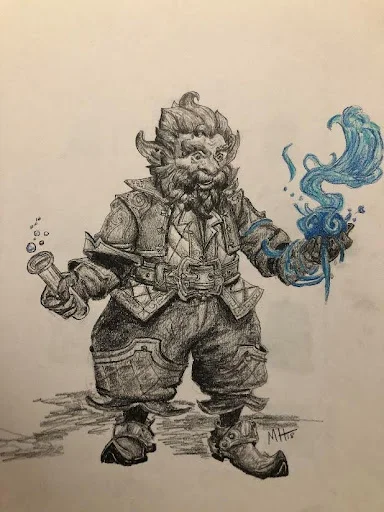
Traits
- Small: +2 to spread across Prowl & Maneuver (+1 to both or +2 to one). -1 to overpower.
- Technocrafters: Once per [Rest], when combining a tool and a conduit in one check, make the roll with advantage.
- Flash of Genius: Once per [Rest], after a party member makes a check relating to a sphere of knowledge, roll that knowledge skill and add it to their result. They take 1 strain.
Arms & Armor
The equipment of cloud gnomes varies wildly but always leans toward the light, easily transportable, and innovative.
Homes & Habitats
Cloud gnomes often make their homes high up on mountain peaks, harnessing the lightning of the clouds. Many gravitate towards centers of knowledge and innovation.
Life
Gnomes reach adulthood at about 30 and from there may die within a few years or hundreds. The grey claims gnomes who can no longer find novelty and excitement.
Relations
Cloud gnomes are well respected in the areas of study they work towards. There is a long history of collaboration and exchange between sky dwarves and cloud gnomes.
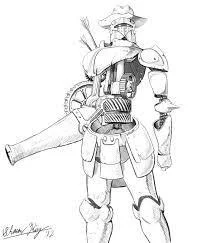
Traits
- Constructed Body: Healing checks are made with Build, rather than medicine. In addition you have advantage rather than disadvantage on healing checks made to heal yourself.
- Heavy Core: Once per [Scene] you can avoid being pushed or knocked prone. In addition, beings have disadvantage on checks to grapple or hold you. You have disadvantage to climb or swim.
- Adaptive Limbs: You have a bonus point to invest in an integrated tool or weapon. If you choose to invest points into this it increases as normal. As a Rest or Downtime action you can make a Build check to change it to a different tool or weapon, retaining the same bonus.
Arms & Armor
The weapons and armor of metal constructs are whatever was built for and into them, usually of the heavy and imposing variety.
Homes & Habitats
N/A
Life
It is unknown how long constructs can live if kept well maintained. Many outlive their creators, succumbing eventually to rust due to a lack of caretaking.
Relations
As constructed beings their relation with other beings is normally determined by their creator. Metal constructs often inspire a mix of wonder and fear in those that behold them.
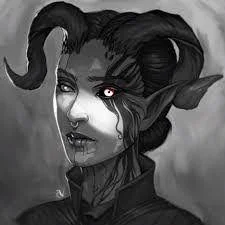
Traits
- Fiendish Ancestry: You have one or more obvious marks of your heritage (horns, a tail, thick scaled shoulders and back, sharp teeth, glowing eyes, etc.). You gain [+attribute dice] on intimidation & endure but [-attribute dice] on Sway.
- Born with the Words: Once per [rest], you can take a strain to speak a phrase targeting a medium you don't normally use and using yourself as a conduit without taking an injury. Conduit Dice depends on Tier (d8, d10, d12).
- Eldritch Resistance: You have resistance to heat damage.
Arms & Armor
The equipment of hexlings varies depending on the species they are born to. Those who follow in their ancestors' footsteps of worship often use weapons and armor designed in the style of the devil whose blood flows through their veins.
Homes & Habitats
Hexlings are not numerous enough to form their own villages, making their home among others, often in cities where they can form small communities of like kind.
Life
The lifespan of a hexling depends on the species of their parents. They are known to be of excellent health and live to the furthest reaches, and perhaps a few years beyond, of that species lifespan.
Relations
How a hexling is viewed depends entirely on the attitudes of the viewer. Some see them as a gift or blessing from below; others, especially worshipers of the divine, view them as a curse.
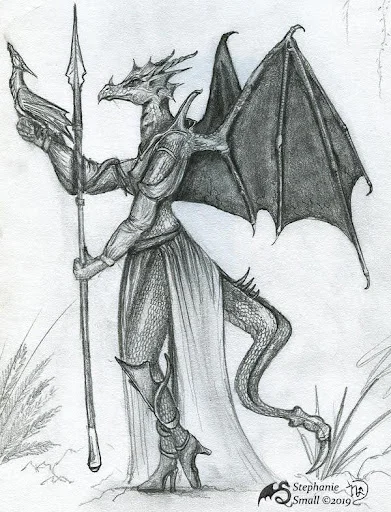
Traits
- Draconic Ancestry: You have few or many obvious signs of your draconian bloodline — scaled skin in full or patches, reptilian eyes, perhaps even wings. +1 Endure and Intimidate, -1 to Deceive.
- Fragile Flyer or Firebladder: Fragile Flyer: You can fly with leather wings and -1 Injury Box. OR Firebladder: Take a strain to make a shoot or throw check with fire as your medium, using yourself as a conduit. Bonus depends on Tier (+1, +3, +5).
- Scaled or Grey: Scaled: Count as wearing heavy armor with the drawbacks of medium armor. Spend 1 crown to fully repair it during rest or downtime as a free action. OR Grey: [+1] for Prowl & Arcane.
Arms & Armor
Scaled wyrm kin rarely wear armor and most of the scaleless gravitate toward lighter armor rather than artificially replicating their scaled brethren. Their weapons vary depending on whether they are winged and the culture of their non-draconic parent.
Homes & Habitats
The homes & habitats of wyrm kin vary. Some grow up in caves, castles, or ruins with a clutch of other wyrm kin. Others grow up among their mortal parent — as the blood which causes a wyrm kin to arise can lay dormant for a few generations.
Life
Of all descendants, wyrm kin appear to be least affected when it comes to lifespan, living no longer on average than the species of their mortal parents.
Relations
The way different species and cultures view wyrm kin can take many forms — fear or jealousy in some, inspiration and awe in others. In more material societies they often find themselves as leaders.
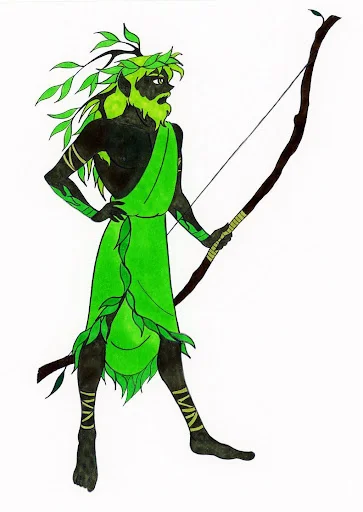
Traits
- Kin: You can speak with plants.
- Rooted: You automatically heal 1 injury during a [Rest or Downtime] when resting outside. Checks made to heal you without magic related to your makeup are done with disadvantage.
- Heartree: You carry with you a weapon, tool, or other uniquely powerful magic item in the form of your Heartree. Create this with your table & narrator — it should have 3 interesting but minor effects. If you lose this item you lose [Tier] injury boxes and [Tier] strain boxes until you get it back.
Arms & Armor
Dryads do not often don armor, instead manipulating the material that makes them to be heavier or lighter as needed. Once their heartree is dead they often fashion its remains into a powerful weapon.
Homes & Habitats
Dryads in their natural state are bound to their heartree. After the heartree dies many choose not to stay in the forest of their origins, traveling from place to place.
Life
Dryads have two different lives. The first, bound to their heartree, lasts as long as the tree does. The second begins upon its death and lasts about 50 years.
Relations
Dryads are not numerous or cohesive enough to constitute a group with official relationships. Depending on one's position on safeguarding old forests and nature, they may be a peaceful presence or a dangerous annoyance.
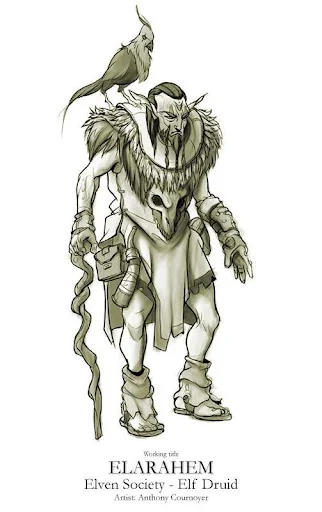
Traits
- Sturdy: You have resistance to poison damage and once per [Scene] can avoid being moved or knocked prone.
- Deep and Dark: You can see in the dark and in the light, but not perfectly in either. -1 perception.
- Steeped in Magic: You have resistance to damage from magical sources, excluding magical weapons.
Arms & Armor
Dwarves of the deep combine the skill of mountain dwarves with skilled rune work and alchemical enhancements. Thick maile with helmets, spears, axes and hammers.
Homes & Habitats
Deep dwarves reside far underground, where the only light comes from bioluminescent lichen and the warmth from geothermal vents.
Life
The shortest lived of all the dwarves, they rarely reach 100, likely due to inherently poor air quality deep underground.
Relations
Due to their distance deep in the earth, interactions with other species are rare. Mountain dwarves work hard to keep their relative monopoly on selling Alzure goods to those above ground.
Traits
- Sturdy: You have resistance to poison damage and once per [Scene] can avoid being moved or knocked prone.
- Indulgent: Each downtime costs you (Tier) crown. You have advantage on all downtime or rest checks to recover strain.
- Busy Hands: Automatically fill in one long-term project segment each rest & downtime for you or a party member. The project must be related to crafting.
Arms & Armor
Hill dwarf equipment is considered the poorest of dwarves, though still more than a match for most other species. In battle they use shields with axes, spears and swords, or two-handed polearms.
Homes & Habitats
Hill dwarves live in walled cities and intricately designed homes renowned for their woodworking skill. They are less isolationist than most dwarves.
Life
Along with sky dwarves, hill dwarves tend to have the longest lifespan, reaching the end of their life at around 120 years.
Relations
Hill dwarves are quite integrated with the wider world compared to other dwarves. They have a long and prosperous relationship of trade with mountain, deep, and sky dwarves.
Traits
- Sturdy: You have resistance to poison damage and once per [Scene] can automatically avoid being moved or knocked prone.
- Close the Distance: Once per [Scene] after being hit by a ranged or spell attack, you can take an OoTI to move [Tier] range bands towards them.
- Unattuned: You have -1 strain. You gain 1+Tier bonuses that can be assigned to tools or weapons but not conduits.
Arms & Armor
Heavy iron mail with alzure rivets, axes, spears and swords of steel with hardened edges of alzure — some of the most sought after equipment in the world.
Homes & Habitats
Mountain dwarves live in and around the mines that make up the nexus of their existence. Few find their way to the wider world.
Life
The oldest mountain dwarves usually live just past 100 years. They're considered adults by 18 or 19, though most have been working and perhaps fighting long before that.
Relations
Mountain dwarves have complicated relationships with many species. They rely on outside trade but aren't shy about looking down on trading partners. They hold a burning rage against the elves and summer elves in particular.
Traits
- Sturdy: You have resistance to poison damage and once per [Scene] can avoid being moved or knocked prone.
- Try Something New: Once per [scene], when you attempt a check that isn't a class skill and that you don't have any points in, roll with advantage.
- Self Experimentation: Once per [Rest] after making a brew or infuse check you can increase the result of the check at the cost of 1 injury or 2 strain per step. (e.g., Failure to critical success (2 steps) would cost 2 injuries, 4 strain, or an injury and 2 strain.)
Arms & Armor
Sky dwarves prefer to use limited amounts of Alzure as implements in magical inventions and equipment, finding it to be a perfect conductor of lightning and other magic.
Homes & Habitats
Sky dwarves live on mountain peaks and high plateaus, with buildings anchored against the wind and terraced gardens climbing the mountainsides.
Life
Sky dwarves can live past 120 years, among the longest of all dwarves. They are considered adults by about 20.
Relations
Sky dwarves have friendly and collaborative relationships with cloud gnomes. They also work closely with hill and mountain dwarves, though the latter often take issue with sky dwarves staking claims to mountain exteriors they mine within.
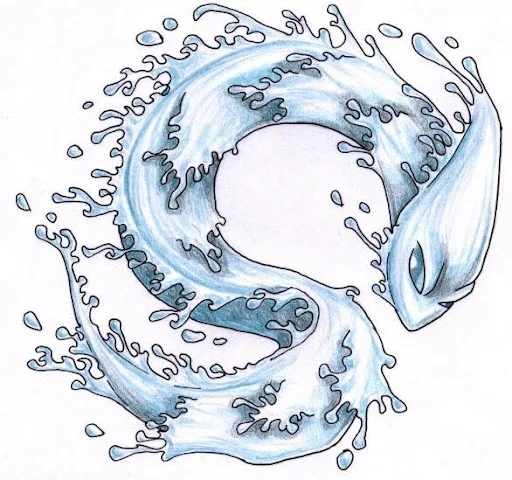
Traits
- Base Connections: You have a +1 bodily integrated conduit for a medium or a weapon related to your home plane. You can add to this with conduit points.
- Partially Incorporeal Body: You can move through tiny sized spaces but cannot take any actions besides moving while doing so. Disadvantage to grapple, push, or shove actions. *This can be lost at any time you choose that makes sense for your character. If lost, choose an ability from a different subclass; it must be a [mixed] trait.
- Elemental Step: Once per [scene] you can use an action to teleport up to long distance under the following conditions — Earth: to a stone or area of dirt/earth; Water: any amount of water as large as a full mug; Fire: any flame as large as a candle; Air: any area of moving air/wind; Aether: any spell effect, rune, magic item, or other source of magic. *After losing Trait #2, replace this with your element's unique ability — Earth: Once per [Scene] add staggering, dazing, or pushing to an attack and activate it without spending a strain. Water: Once per [Scene] after being hit by a being engaged with you, make an attack against them as an out of turn incidental. Fire: Once per [scene] after taking an injury, deal an injury (heat) to a being within close range. Air: Once per [scene] after being hit, if you're not grappled or restrained, move 1 range band as an out of turn incidental, ignoring any binds. Aether: Once per [Scene] after an enemy succeeds on a fight check against you, you can make the attack target a being engaged with you instead.
Arms & Armor
I
Homes & Habitats
I
Life
I
Relations
Slivers from one of the five elemental planes, Elemental Slivers have unclear motives, becoming more sentient the longer they remain in the material plane.
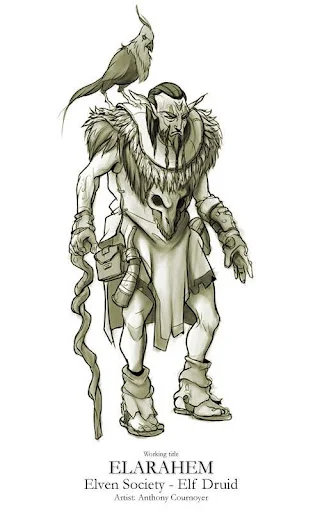
Traits
- Long Lived: You have (1+tier) skill increases. Once per [Rest] you can choose to dream, sacrificing a rest action. Upon waking you remember a piece of an old life, and forget another. Move the skill increases.
- Faeblood: You have vulnerability to poison damage. +Tier Strain Boxes.
- Leave No Trace: Once per scene, you can take a strain to upgrade the result of (Tier) party members' Prowl or Perception checks one result band (crit fail becomes fail, etc.).
Arms & Armor
Autumn elves wear armor that helps them blend in with their environment. Their preferred weapons are bows, relying on daggers and shortswords at close range.
Homes & Habitats
After leaving the first elven empire, autumn elves now rarely leave the forests. Their homes and communities are often spread wide, dotted throughout entire forests in small groups.
Life
Autumn elves reach the end of their life between 140 and 160 years. They view their role in the world as caretakers, keepers of wild spaces.
Relations
Being the first to leave the elven empire, autumn elves are generally the least maligned of the wider species. Summer elves see them as traitors and blame their departure for the collapse of the first elven empire.
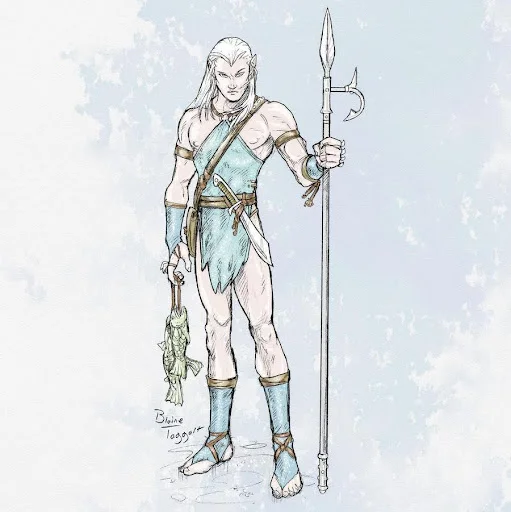
Traits
- Long Lived: You have (1+tier) skill increases. Once per [Rest] you can choose to dream, sacrificing a rest action. Upon waking you remember a piece of an old life, and forget another. Move the skill increases.
- Faeblood: You have vulnerability to poison damage. +Tier Strain Boxes.
- Aquatic: You can swim as fast as you walk/run and can breathe underwater.
Arms & Armor
Armor made from shark skin, coral, and other natural materials that work well in water.
Homes & Habitats
Port towns, shallow seas, deep oceans, and coral reef cities.
Life
Over 150-year lifespan. Compared to most elves there's much less cohesion among monsoon elves; each island, reef, or boat sees its leader as the ultimate authority.
Relations
The only elves who never joined the Elven Empire. Often neutral traders or privateers. Summer elves remain ever resentful of them for their lack of assistance.
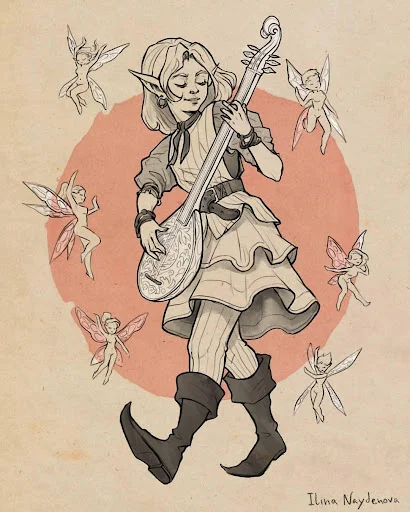
Traits
- Long Lived: You have (1+tier) skill increases. Once per [Rest] you can choose to dream, sacrificing a rest action. Upon waking you remember a piece of an old life, and forget another. Move the skill increases.
- Faeblood: You have vulnerability to poison damage. +Tier Strain Boxes.
- Quick Learner: Once per Scene after seeing an ally succeed on a non-fight check, you have advantage to make the same check. Must be made before the scene ends.
Arms & Armor
Spring elf fighters use weapons that allow them to show off their skill and grace — whips, curved swords, throwing daggers and shortbows. Their armor is usually light.
Homes & Habitats
Spring elves are drawn to beauty in all its forms and can be found all over the world. They prefer towns and villages to cities.
Life
Spring elves are capable of living more than 150 years, considered adults among their people by their mid-20s. Their lives are dedicated to mastery itself — they are lifelong students.
Relations
Spring elves stayed in the elven empire too long for most people to trust them. Summer elves are furious at them for refusing to assist in the 4th rebuilding.
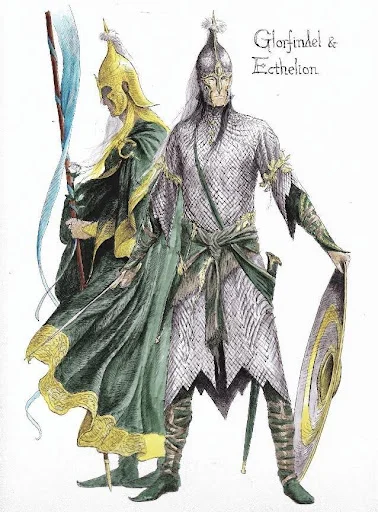
Traits
- Long Lived: You have (1+tier) skill increases. Once per [Rest] you can choose to dream, sacrificing a rest action. Upon waking you remember a piece of an old life, and forget another. Move the skill increases.
- Faeblood: You have vulnerability to poison damage. +Tier Strain Boxes.
- Academy Trained: You gain [Tier] floating weapon or conduit points. You can place them on an existing weapon or conduit or select a new one. You can change where the bonus points are as an incidental during a rest or downtime.
Arms & Armor
All summer elves were required to go through The Academy — experts in the curved sword and shield and javelins. Most choose to wear medium armor.
Homes & Habitats
The best summer elf lands were distributed amongst the victors when their capital was sacked. Some still live in remnants of their great empire. Many have left their ancestral lands.
Life
Summer elves live to between 140 and 160 years. Many find occupation as soldiers, mercenaries, magical researchers, or bandits.
Relations
Summer elves have very complicated relationships with the majority of the world. Resentments and old wounds last, as do the memories of summer elves rising back up to reclaim their empire over and over again.
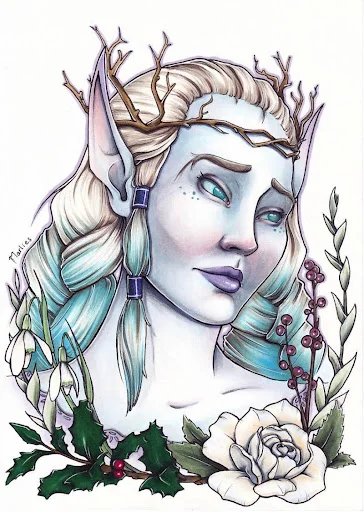
Traits
- Long Lived: You have (1+tier) skill increases. Once per [Rest] you can choose to dream, sacrificing a rest action. Upon waking you remember a piece of an old life, and forget another. Move the skill increases.
- Faeblood: You have vulnerability to poison damage. +Tier Strain Boxes.
- The City of Frozen Towers: You gain 1 temporary armor that automatically refreshes after each rest. While it is up, once per [Scene] you have advantage on a magic check involving ice, water, or wind.
Arms & Armor
Frosty armor or magical weapons, often enchanted with everice.
Homes & Habitats
City of Frozen Towers in the elemental realms. Northernmost areas of the base plane.
Life
Born in the City of Frozen Towers, with a connection to ice and magic from birth. In recent years, the winter elves have turned their backs on the summer elves, even defending non-elven cities against ancestral allies.
Relations
Rarely committed fully to the Elven Empire. In the last two empires they defended non-elven cities against their ancestral allies.
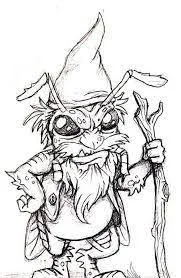
Traits
- Tiny Fae: You're Tiny, coming up to the knee of a gnome. +1 to either Prowl or Maneuver. +1 strain. -1 Injury Box.
- Burrow: You can burrow into anything softer than healthy wood. You move at half your normal speed when doing so. You can't burrow more than 20 feet deep.
- Mobile: When not burrowing, each move action counts as moving twice the normal distance.
Arms & Armor
Fairies prefer lightweight, enchanted armor and small, magically enhanced weapons suited to their size.
Homes & Habitats
After a legendary war with the squirrels, fairies abandoned the Faewild. Those who escaped sought refuge in the material plane.
Life
Fairies live relatively short lives, forming close-knit communities. Their habits and lifestyle are heavily influenced by their magical heritage.
Relations
Fairies often maintain a complex relationship with other species, viewed as whimsical but also mysterious due to their origins and unique abilities.
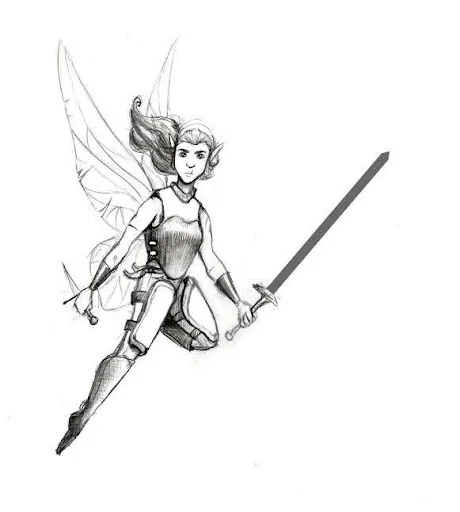
Traits
- Tiny Fae: You're Tiny, coming up to the knee of a gnome. +1 to either Prowl or Maneuver. +1 strain. -1 Injury Box.
- Bright Flight: You can fly but have disadvantage to Prowl when doing so.
- Pixie Dust: Once per [Rest], take a strain to grant an ally the ability to fly or to make an ally -1 size category for 1 scene. Allies flying have disadvantage to prowl. Does not need to be rolled for but does need to be sustained.
Arms & Armor
Pixies are typically unarmored or wear only the lightest enchanted garments, relying more on their agility and magic.
Homes & Habitats
Pixies inhabit ethereal spaces and areas filled with natural beauty, often crafting hidden sanctuaries within forests or groves.
Life
Pixies live relatively short lives, using their time to explore, play pranks, and form strong bonds with other magical beings.
Relations
Pixies are viewed with a mixture of amusement and caution by other species, given their playful and sometimes mischievous tendencies.
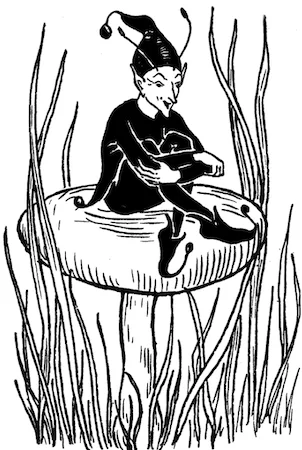
Traits
- Tiny Fae: You're Tiny, coming up to the knee of a gnome. +1 to either Prowl or Maneuver. +1 strain. -1 Injury Box.
- Where it Counts: Once per [scene], after you land a hit, deal additional injuries equal to the amount of size categories larger than you the target is.
- Fearless Leader: You and (Tier) party members within medium range add your results together when making any checks to avoid or resist being frightened or intimidated.
Arms & Armor
Sprites rarely wear armor but carry small, precise weapons, relying on agility to outmaneuver opponents.
Homes & Habitats
Sprites favor secluded natural areas, forming communities that blend into their environment, often near water sources or dense woods.
Life
Sprites lead active lives, focused on survival and stealth, with a lifespan slightly shorter than other fey creatures.
Relations
Sprites are typically regarded as dependable allies, though some find their fearlessness intimidating or reckless.
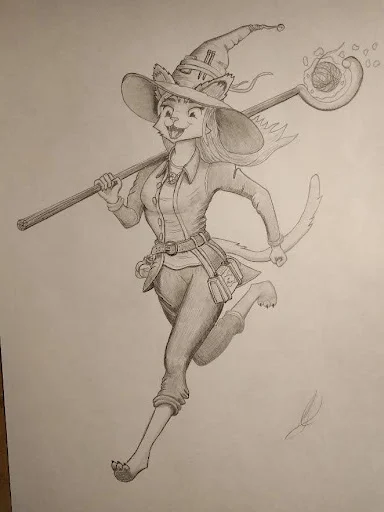
Traits
- Wild: You gain a weapon point for your Bite or Claws. It has either the Piercing or Lingering modifier. If you choose to invest more weapon points into this it increases as normal. Disadvantage on Sway in settings higher class or busier than a nice tavern.
- Nocturnal Hunter: You can see in the dark and have advantage on the first check of an action scene.
- Climber: You can climb as fast as you can walk/run and have advantage to prowl when climbing.
Arms & Armor
Felinar usually wear light armor, using their natural agility. They prefer small, curved blades or throwing weapons when their claws can't get the job done.
Homes & Habitats
Felinar live in small, tight-knit groups, often in cities. Many cities have a 'Felinar Corner,' known for great seafood, magical trinket shops, and pickpockets.
Life
Felinar live around 70 years, forming close, insular communities that are suspiciously viewed by others due to their nocturnal habits.
Relations
Felinar often face harassment and accusations due to their insular communities, leading to even more isolation. Those who gain Felinar trust are treated as family within their colony.
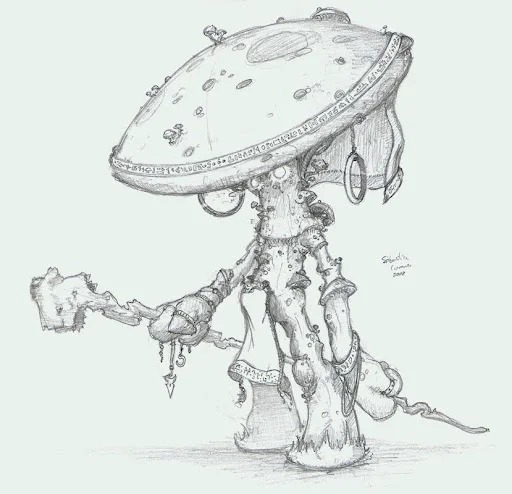
Traits
- Kin: You can speak with plants.
- Rooted: You automatically heal 1 injury during a [Rest or Downtime] when resting outside. Checks made to heal you without magic related to your makeup are done with disadvantage.
- Silent Speaking: You cannot speak aloud. However you can communicate telepathically within [long] range to anyone that has already been within [close] range of you. Your Phrases are also silent.
Arms & Armor
Fungoids tend to copy the equipment of those around them, crafting weapons and armor from the natural products around them in ways to at least visually match what they see being worn and wielded.
Homes & Habitats
Fungoids emerge solitarily and have no village or structured space shared amongst each other. After emerging from the woods they work quickly to integrate into the world around them.
Life
The length of their life is not exactly known. They do not seem to view themselves and the larger mycelium as separate beings. After an indeterminate amount of time they will reconnect with the mycelium beneath the dirt and fade away.
Relations
Most have never seen a fungoid before but are delightedly curious about them. They have the most contact with autumn elves and centaurs of the forest who know the location of some of their fruiting grounds.
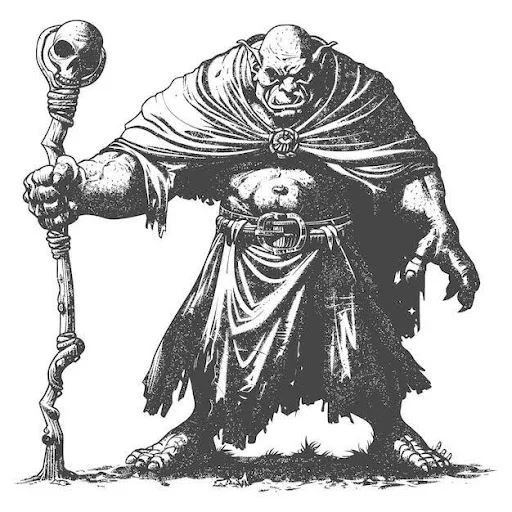
Traits
- Giant: +1 Injury Box, -2 to spread across Prowl & Maneuver (-1 to both or -2 to one).
- Might Makes Right: Once per [Scene] add your bonus to endure or overpower when making an intimidate or leadership check.
- Overswing: Once per [Scene], you can put yourself out of position to add & activate Spread on a strike check without taking a strain. You do not take the injury, but if other party members are engaged with the target they do.
Arms & Armor
I
Homes & Habitats
I
Life
I
Relations
I
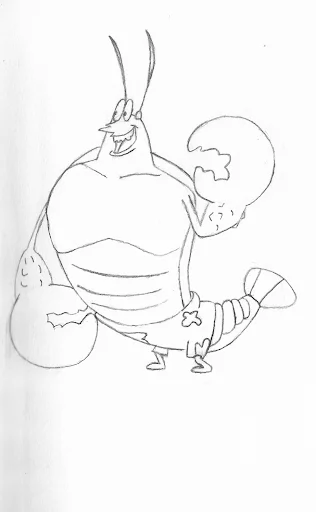
Traits
- Giant: +1 Injury Box, -2 to spread across Prowl & Maneuver (-1 to both or -2 to one).
- Carapace: You count as wearing heavy armor but only suffer the drawbacks of medium armor. Or can choose to count as wearing medium armor with no drawbacks. Roll Endure to repair.
- Clawed Hand: You gain a weapon point for your Clawed off hand. It counts as a heavy weapon and has either the Destructive or Restraining modifier. If you choose to invest more weapon points into this it increases as normal. This takes up one of your hands.
Arms & Armor
I
Homes & Habitats
I
Life
I
Relations
I
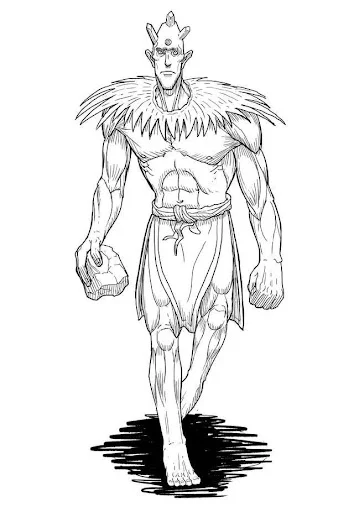
Traits
- Giant: +1 Injury Box, -2 to spread across Prowl & Maneuver (-1 to both or -2 to one).
- High Vantage Point: You have advantage on perception checks made for things further than close range.
- Grabber: When you grapple someone 1 or more sizes smaller than you, you don't need to spend an action to maintain the grapple.
Arms & Armor
I
Homes & Habitats
I
Life
I
Relations
I
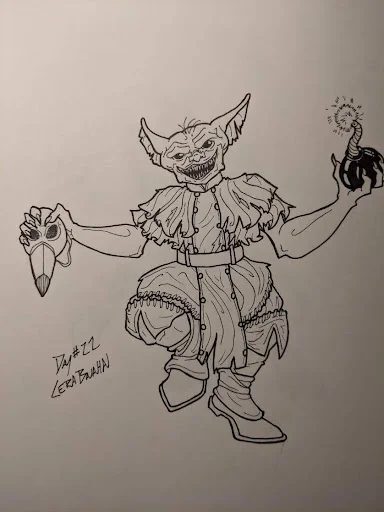
Traits
- Small: +2 to spread across Prowl & Maneuver (+1 to both or +2 to one). -1 to overpower.
- Jerry-rigged: Once per [Rest], make a crafting check with advantage. The resulting equipment has a dangerous but workable flaw.
- Mutable: Once per [Downtime], you can spend a downtime action to make a Civilization check. If successful, you can select a trait from any other Small Folk.
Arms & Armor
Unlike other small folk it's not uncommon to see a goblin in heavy armor. Goblin weaponry is famously inventive but outside of their hands, also famously unreliable.
Homes & Habitats
The homes and communities of goblins are endlessly inventive and endlessly confounding. Goblin villages are mostly found far from other groups.
Life
Lifespans of goblins vary — some die before reaching 60 while others near 110. This unknown nature creates both a fervor for life and a fearlessness of death within most goblins.
Relations
To the unfamiliar goblins are seen as reckless and stupid; to those familiar they are seen as reckless and smart. They are a hybrid species formed from Buaks and Small Folk, yet they've developed a distinct cultural identity.
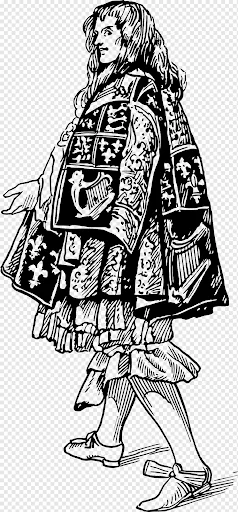
Traits
- Adaptable: Select a trait from another subspecies that doesn't change your anatomy. Cannot be taken as a mixed species trait.
- Street Smarts: Once per [Scene] gain advantage to a navigate, intuit, prowl, or maneuver check when within a city. However, you take -1 to Nature.
- Specialized Skills: Gain a tool dice point at character creation representing education, a hobby, or occupation.
Arms & Armor
Blended cultures allow for access to various armaments based on wealth and connections.
Homes & Habitats
Large walls and impressive buildings hide cramped living spaces. Your quality of life is tied closely to your wealth.
Life
~65 years due to poor diets and poor air quality.
Relations
City humans look down on rural humans as naive. However, they form strong bonds with other city dwellers, regardless of species.
Traits
- Adaptable: Select a trait from another species/subspecies that doesn't change your anatomy. Cannot be taken as a mixed species trait.
- Protect the Pack: Once per [scene], when a member of your party within close range takes damage, you can take it for them. Move to engaged with them as an Out of Turn Incidental if not already engaged. In addition, you have advantage on your next attack against the being that damaged you.
- Always Armed: From a weapon you always have on you or your unarmed skills, you gain a weapon point for a weapon that cannot be removed from your person. If you invest further into the weapon it increases as normal.
Arms & Armor
Hunting bows, slings, spears, axes. Armor is usually minimal — boiled leather, layered cloth and hide, adorned with markings and flourishes that speak to past accomplishments.
Homes & Habitats
Where and how a tribe lives can vary. Some are nomadic. Others are sedentary, living in permanent homes. All live among and have a deep connection to nature.
Life
Tribal humans at their oldest usually live to about 65. Some tribes consider children adults as early as 14, taking them through a ceremonial ritual.
Relations
Tribal humans are tribalistic. Many will move from working and trading with their neighbors to raiding depending on the situation, time of year, and access to resources.
Traits
- Adaptable: Select a trait from another species/subspecies that doesn't change your anatomy. Cannot be taken as a mixed species trait.
- Hardworking: Once per [rest], you can take a strain to reroll a check, even if you normally couldn't reattempt. Make this new check with advantage.
- Neighborly: Once per [Scene] when you help a party member on a check, you roll with advantage.
Arms & Armor
Limited, simple, and functional armaments. Long spears, converted farming tools, slings, padded armor, shields.
Homes & Habitats
Villages grow up where the land provides, often near cities where surplus goods can be brought to market. Homes are built from local materials, usually by the families who will live in them.
Life
On average humans of the village live the longest, about 70 years. They are considered adults at about 16.
Relations
Humans of the village tend to have more peaceable relationships with other species. They don't have the defences of large walls or the mobility of the tribes, so they stay as friendly as they can.
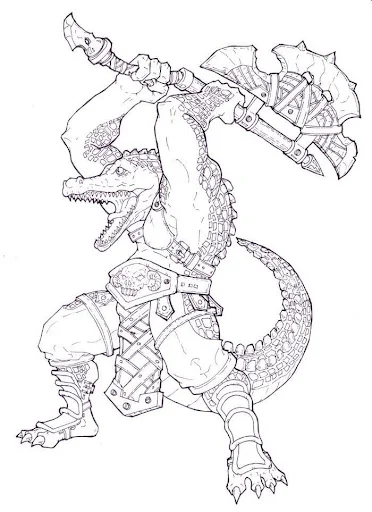
Traits
- Wild: You gain a weapon point for your tail or bite. It has either the Reach or Restraining modifier. If you choose to invest more weapon points into this it increases as normal. Disadvantage on Sway in settings higher class or busier than a nice tavern.
- Amphibius: You can swim as fast as you can walk/run, but cannot breathe underwater.
- Scaled: You count as wearing medium armor with no drawbacks or heavy armor with medium armor drawbacks. Make Endure checks to repair.
Arms & Armor
Due to their scales, Krokoans rarely use armor. They often use shields and spears or a heavy pick-like weapon that works well against their natural scaled armor.
Homes & Habitats
Krokoans mostly make their homes near water, in large buildings on river banks or on solid land surrounded by swamps. These large homes house extended family units and as families grow they will often add to the home rather than separate, leading to large, complex buildings.
Life
Krokoans can live up to just over 100 years. After reaching adulthood they slowly continue to grow. However, due to frequent challenges, skirmishes and wars within a clan, most Krokoans don't make it to their full age or size.
Relations
Their interactions with other species are few and far between. Krokoans chose to live in the swamps because they're uniquely suited for it and there's little competition. There isn't much cause for conflict except with Fenfolk. Within their clans, there are often duels and small battles for leadership.
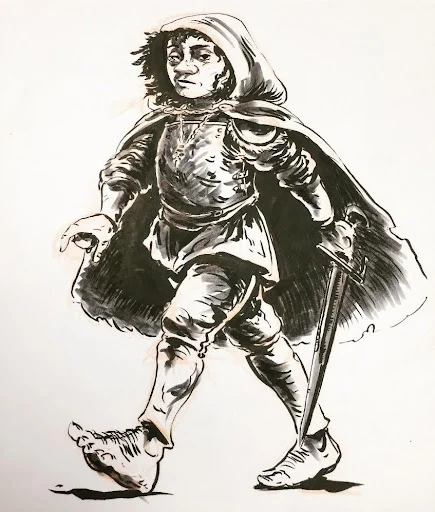
Traits
- Small: +2 to spread across Prowl & Maneuver (+1 to both or +2 to one). -1 to overpower.
- Lightfoot Luck: Once per [Rest] you can treat a 1 on the dice as if it were the max number, including having it explode.
- Quick Feet: Once per [Scene] when you take the move action, you can move as if you used 2 actions. You have advantage on the next check you make.
Arms & Armor
When they do arm themselves, lightfoot halflings look for weapons fit to their size — shortswords, daggers, slings and shortbows. For armor they look to lighter material.
Homes & Habitats
The homeland of the lightfoots is called the Downland, a land of rolling chalky hills, farms and pastures. They live in beautiful, intricate ever-expanding homes built into the hills.
Life
Lightfoot halflings live to be between 65 and 80 years, considered adults by 20.
Relations
There are few to none that call the lightfoot halflings enemies. They are generous with their excess and look for community with those of like mind.
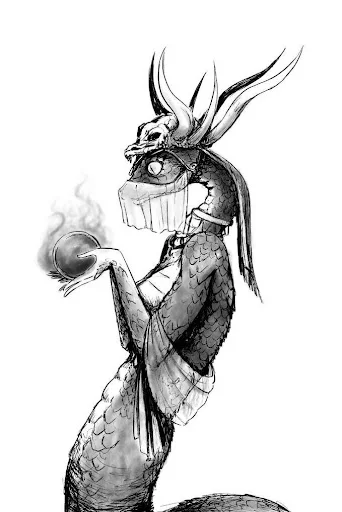
Traits
- Wild: You gain a weapon point for your tail or bite. It has either the Ensnaring or Weakening modifier. If you choose to invest more weapon points into this it increases as normal. Disadvantage on Sway in settings higher class or busier than a nice tavern.
- Slither: You can attempt to Resist a grapple or being otherwise physically immobilized as an incidental once per turn.
- Poison Resistance: You have resistance to poison damage and advantage to resist the non-injury based effects of any poison.
Arms & Armor
Nagali rely on poisons and venom to defeat enemies. They rarely wear armor and avoid forming armies, preferring to blend into society.
Homes & Habitats
Nagali have mostly abandoned their ancestral desert homes, choosing to live in populated cities where they can assimilate easily.
Life
Nagali live up to 150 years, reaching adulthood in their mid-20s. They rarely have more than one clutch of offspring during their long lifespan.
Relations
Nagali are skilled at blending into new cultures and communities, using their charisma and adaptability to thrive in cities. Despite being ubiquitous in cities outside the north, they are a very solitary and secretive people.
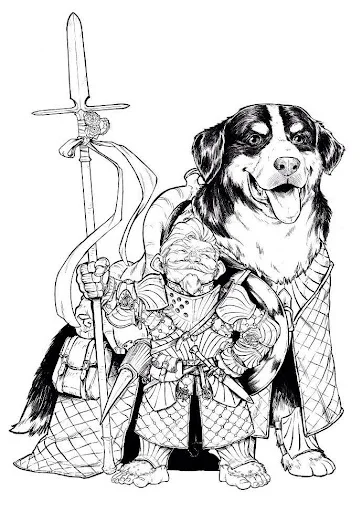
Traits
- Small: +2 to spread across Prowl & Maneuver (+1 to both or +2 to one). -1 to overpower.
- Harder they Fall: Once per [scene] after making a fight check, add [1d6] per size they're larger than you to the result. This can cause you to succeed on a check you initially failed.
- Scrappy: When grappled you have advantage to fight checks made against the being grappling you. In addition you have advantage on checks made to escape certain traps, nets, manacles and other equipment directly restraining you. Doesn't count against things like jail cells or pits.
Arms & Armor
Famous for using sling staves and two-handed flails. Most wear the heaviest armor they can afford, designed not to interfere with slinging.
Homes & Habitats
Tend not to integrate into cities like their Lightfoot kin. They have built massive walls around their communities and reportedly deep, defensible burrows in the hills.
Life
Often called 'small dwarves.' Strongarm halflings live to between 65 and 80 years and are considered adults around their 20th year.
Relations
Since the fall of the last elven empire they stay ever ready and ever suspicious. They feel their contribution to the destruction of the elven empire was never properly recognized or rewarded.
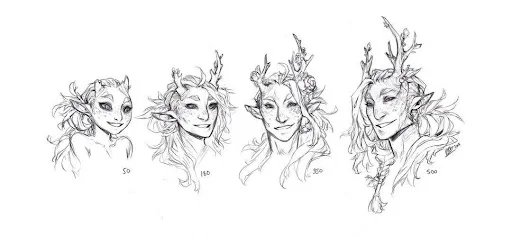
Traits
- Base Connections: Select an element of the base world as your obsession (examples: Flowers, silver, stars, hay, etc.). You gain a +1 bodily integrated conduit that is part of your body. You can use conduit points to add to this conduit if you desire.
- Blood of the Fae: Once per [Rest], speak a phrase without spending a strain. This can be of any medium, even one you don't have experience with. You are vulnerable to attacks with cold iron weapons and have disadvantage on checks made to escape cold iron chains or locks. In addition, if you return to the faeland you can spend a Downtime or Rest action to change from a light fae to a shadow fae.
- Truth Telling Time: Once per [Downtime], you can designate a scene as a truth telling time. Neither you nor anyone else in the scene can lie. However, you have a minor advantage on any Deceive checks made during this scene.
Arms & Armor
I
Homes & Habitats
I
Life
I
Relations
Light Fae are honored guests from the Fae realms. Their presence is welcomed as long as they respect the rules of the material plane.
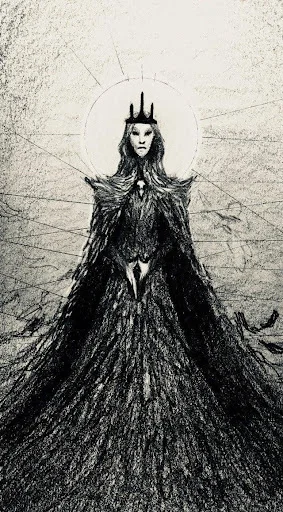
Traits
- Base Connections: Select an element of the base world as your obsession (examples: Flowers, silver, stars, hay, etc.). You gain a +1 bodily integrated conduit that is part of your body. You can use conduit points to add to this conduit if you desire.
- Blood of the Fae: Once per [Rest], speak a phrase without spending a strain. This can be of any medium, even one you don't have experience with. You are vulnerable to attacks with cold iron weapons and have disadvantage on checks made to escape cold iron chains or locks. In addition, if you return to the faeland you can spend a Downtime or Rest action to change from a shadow fae to a light fae.
- Binding Oaths: Once per [Downtime], you can make an agreement with a being, shaking hands or verbally coming to mutual agreement. If you or they break the agreement, that being takes injuries equal to [½ your will + tier]. You must decide this upon making the agreement. This is a magical effect but beings under its effect are not automatically aware of it.
Arms & Armor
I
Homes & Habitats
I
Life
I
Relations
Hailing from a colorless yet beautiful reflection of the Fae realm, Shadow Fae are mysterious beings, often drawn to the material world for reasons they rarely disclose.
Traits
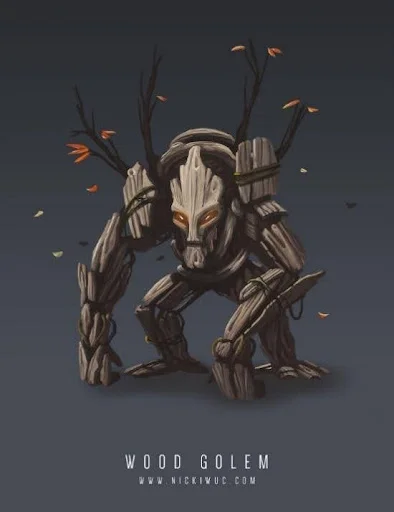
- Constructed Body: Healing checks are made with Brew, rather than medicine. In addition you have advantage rather than disadvantage on healing checks made to heal yourself.
- Nature's Mind: Once per [Rest], you can speak with a plant or stone for a [Scene].
- Hand Grown Equipment: Once per Scene you can switch your weapon(s) growing into a new form, retaining whatever bonus you had previously. Once per Rest you can change the type of armor you have, growing it anew. Each takes 1 action if done during an action scene. You have vulnerability to heat damage.
Arms & Armor
These constructs often grow rather than wield their weapons — clubs with stone heads, whip-like vines, splinter projectiles. They can similarly mold stone, bark, or plant material over their form as armor.
Homes & Habitats
N/A
Life
Constructs of nature are potentially endless if not destroyed, though as they age they require long periods of torpor, resting in sun and soil to regain energy and form.
Relations
As constructed beings their relation with other beings is normally determined by their creator. Constructs of nature are often seen with cautious wonder, occasionally mistaken for avatars of paragons or fae.