Available Classes
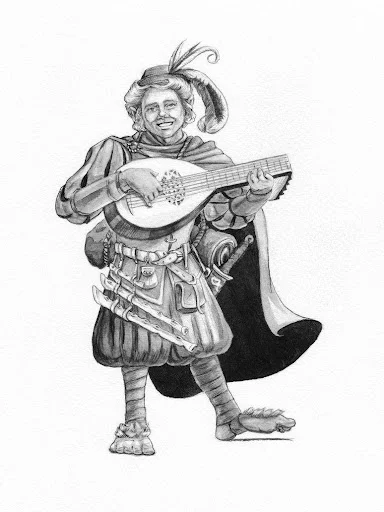
A sweet singer, rousing speaker, or silver-tongued merchant employs the same skills as a bard. But while a singer may draw a crowd, a speaker convince an army or a merchant may make a deal, when a bard sings the clouds, stars, trees or the wind may stop and listen, entranced by the beauty. When a bard speaks the stones, the shape of the river, and even the dead find inspiration rising within them and they may march under the bard’s orders. And when a bard haggles they may do so with a bird, the ocean, or gold itself, aiming to get the best deal possible while convincing their mark that they’re coming out on top in the deal.
crafting
knowledge
social
utility
Abilities
- Inspiring: At the end of [Downtime] gain (# of PCs + Tier) narrative tokens. You can only use these on allies, not yourself.
- Enchanting Words: Once per [Rest] after seeing the results of you or an ally’s social check take a strain to add a magic bonus as a die on top. (+1=d4, +2=d6, etc.)
- Self Narration: Once per [Scene] spend a token to deny the Narrator’s use of a token. You still gain the narrative &/or mechanical effects of spending a token.
- Reverberant Sound: Once per [Scene] have a phrase sustain without spending an action to do so. Must still spend an action to sustain it next round.
- Magical Music: Once per [Rest] you combine the increases for a magic & instrument tool dice, combining the result, without spending a strain or spending an equipment box.
- Sharing Skills: Once per [Scene] if a party member fails a check take a strain to direct another party member to make a check of the same type immediately and add the results on top of the original check.
- Record of Heroism: Once per [Scene] an ally can add your presence die to a check as you recount a tale of their heroism.
- Serenity’s Sound: Once per [Action Scene] you can speak a phrase that can’t cause injury without spending a strain.
- Defend & Distract: Once per [Scene] when being attacked make a defensive check with a social skill. Regardless of results the attacker is OoP.
Subclasses
The Skald
UnmakeCutting Insults: Once per round as an OoTI (out-of-turn incidental), you can use a narrative token to grant a target disadvantage on a check. These can be the tokens from the Inspiring ability.
The Skalds’ thirst for obtaining and storing knowledge rivals an Archivist’s, but their interest lies in people’s secrets, fears, and shames. Stored away and guarded with the ferocity and care of a young drake’s hoard. To offend—or even spend too long around the Skald—is to tempt them to release their arsenal of insults. If you stay on their good side however, their sharp, porcupine-like social armor can extend to protect you as well.
The Jester
ProwlT’was a Jest!: Once per [Rest], treat your or a party member’s failure, critical failure, or spectacular failure on a social check as a success.
Fun, dopey, bumbling and flexible, always either the bud or butt of the joke—oft both. The Jester walks a tightrope, occasionally a literal one, but always a metaphorical one. Playful and distracting, useful and surprisingly wise, insulting and entertaining the powerful without ever drawing enough ire to provoke a real response.
The Maestro
LeadWorking in Harmony: Once per [Downtime], as an action, designate a [Round] in an [Action Scene] as ‘harmonious’. Any narrative tokens spent on each other grant major advantage instead of advantage. Still costs 2 after a check.
The Maestro isn’t one who does all their work behind the scenes—they’re still a bard. Just because they aren’t the ones playing the instruments or swinging the swords doesn’t mean they aren’t front and center, making sure it all goes according to their plan.
The Entertainer
BuildEntertaining Misdirection: Once per Round when using a narrative token on a party member you can grant them a major advantage if you put yourself OoP.
When you say the word ‘bard’, The Entertainer is the image you conjure in one’s mind. Showy, impressive. They’re skilled and magnetic, they know it and how to use it to their advantage. Some shrink into their shell away from the stage, others seem to always adore the adoration and desire being desired.
The Musician
InfuseMusical Exchange: Once per [Scene] you can spend a musical equipment box instead of a strain when speaking a phrase. Add both bonuses together.
Of course, most bards can play an instrument or hold a tune, compose a little limerick—but The Musician uses instruments and their voice like a wizard uses a wand. They artfully assist as they Speak or Sing the language of creation and watch the rules of reality bend and sway on beat.
The Troubadour
ManeuverHoneyed Tongue: Once per [Rest], add your sway roll to a party member’s social check before or after the roll.
A bard with a quick smile and quicker feet, unlikely to stay in town or at court for too long. Often it’s because they find their welcome wanting if they stay too long. Our own Troubadour has gotten us into trouble more times than I can count—but they’ve talked, lied, swayed, and coerced us out of trouble twice as many times.
The Raconteur
StrikeDaring Act: Once per [Scene] declare that for your next check a success counts as a critical success, critical success as a spectacular success, and a failure counts as a critical failure, critical failure counts as spectacular failure.
The Raconteur tells stories and sings songs of heroics, daring rescues, and long-lost loves like any bard. But while other bards may include bits of themselves in their work, the Raconteur is the star of all their pieces. They strive to rival the greatest heroes of myth and legend, keeping a mostly honest and always flattering record.
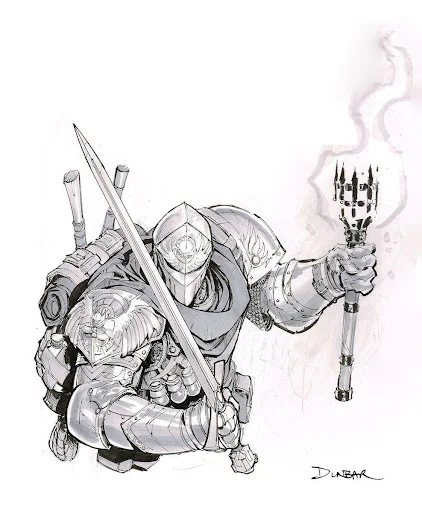
Most beings find a need to strive for something beyond themselves. Unless you find a way to live forever, you’ll probably end up pledging your time, energy, and skill to something larger and hopefully longer lasting than yourself. Crusaders take this idea to an extreme, pledging nearly every aspect of their lives to an order, their mission, their ideals, and the example of their founder, an often semi-mythical figure whose lives, deeds, writings, and beliefs guide the order. Crusaders take on a title based on the arms and armaments of the founder. Crusaders strive to be bearers, those heroes who wield or wear the actual armaments of the founder, the magic of them built by the faith, power, and works of the founder and all the crusaders who used those armaments before.
fighting
social
utility
Abilities
- Warriors of Old: Once per [Downtime] take an action to summon crusade spirits. Sustain as a phrase. Enemies within close range gain vulnerability or you & party members within close range gain resistance.
- Righteous Retribution: You have advantage on your next check after a party member is hit by an enemy.
- Lending Spirit: Once per [Round] as an OoTI you can put yourself OoP to add your Will to an ally’s Resistance Check after seeing the result.
- Unrelenting: Each time you fill an injury category, gain +(Tier) bonus armor.
- Sworn Enemy: Select a specific enemy (dragons, demons, followers of a specific pantheon, necromancy wizards, etc.) based on your order. Once per [Scene] you have advantage when making a fight, navigate or knowledge check about them.
- Last Stand: Each time you fill an injury category take 1 action as an OoTI before rolling the critical.
- Healing Touch: Once per [Downtime] you can touch an ally to remove all the injuries they received in the last scene.
- Smite: Once per [Scene] as an incidental add your magic bonus to a fight check without spending a strain. Add a modifier relevant to your medium to the attack. This can be sustained like a phrase.
- Conqueror’s Redemption: Once per [Rest] as you incapacitate an enemy make a social check vs Endure. On a success they fight alongside you till the end of the scene. They have 1+[Tier] Wounds.
Subclasses
The (Weapon)
ThrowSustained Smite: When using the crusader’s smite ability, you can sustain it without spending an action. However, you can still lose it by failing a sustain check or other normal ways.
The Sword, The Hammer, The Bow—named after whatever weapon the founder of their order wielded in life. All but one wield an imitation of the hallowed weapon. As the name suggests, crusaders who chose or are chosen for this path are the most skilled at, and the most drawn to, battle. With each strike they aim to emulate the strikes of their founder and destroy the enemies of their order and ideal.
The Shield
SwayProtector’s Promise: Once per [Round] as an OoTI grant a fight check against an ally engaged with you disadvantage. If it still hits you can choose to take the damage instead of your ally.
Inspired not by the tales of their founder’s destructive prowess or magical might but by how they used their strength to shelter the weak, these crusaders prioritize defense—surviving in order to continue spreading the message.
The Helm
PerceiveThrough the Eyes: Once per [Rest] use an action to activate one of the following. They last for a scene: Gain advantage on perception and insight rolls, advantage on seeing through glamor or illusions, grant disadvantage to any mind-affecting magic targeting you and advantage to resist them, gain immunity to being dazed or stunned, or gain advantage to any intimidation or leadership rolls.
Oft donning a prized and ornate helm—one worn by the founder if they are the lead templar, or else by historic crusaders of the order—these members are prized for their wisdom, guidance, and often for being the first to a battle.
The Gauntlet
IntimidateFist of Fury: Can use Will instead of Presence for Intimidation. When using the crusader’s once per [Scene] ability with an unarmed/gauntlet strike, you can activate the special modifier without taking a strain.
The image of an armored fist is heavily weighted imagery. What it means can differ depending on your life, belief, and past. To these crusaders it represents strength, order, protection, and power. Through the strength of their conviction and ability to command they strive to see the ideals of their order spread.
The Greaves
ManeuverFollow in the Footsteps: Once per [Scene] when you move, you move as if you used two actions. Until the start of your next turn, any party member can move in the same direction as you once on their turn as an incidental. They move at their normal speed.
Crusaders crusade—and a crusade cannot be done where you are. It requires you to travel, to follow in the footsteps of those who came before you and forge on, showing the way for those with you and those after you.
The Breastplate/Hauberk/Cuirass
BuildArmor of Belief: Once per [Rest] gain [1+Tier] Bonus Armor. Anytime you are the target of an attack while the armor is up you have advantage on the next non-fight check you make to heal a party member or resist an effect on them. Ex. Overpower to pull them from restraints.
To complete their mission, a crusader must survive. These crusaders know that in order to keep slaying enemies, protecting others, and doing the work of your order, you must protect yourself—not in place of or before doing so for others, but in addition to.
The Crest
LeadSymbol of Strength: Once per [Rest], during an action scene, present your crest as an action. You and all your allies can add your presence die to the next check they make.
Each order varies. Some are like extended families, brothers and sisters in arms. Others are enemies, warring constantly. But three things each order has: a founder, an ideal, and a crest. Crusaders and Templars of this ilk hold the symbol of their order to be as important as their founder or ideal and display it proudly about their person.
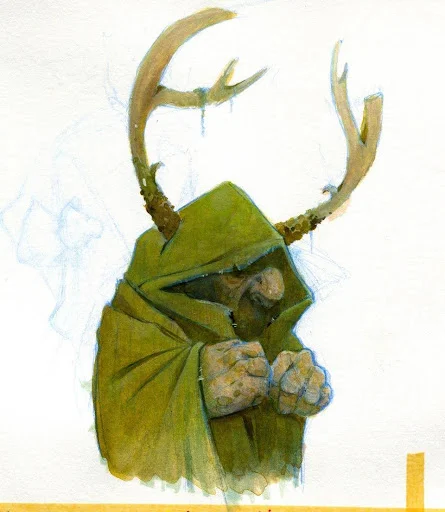
Everyone has a different image of a druid in their heads—helpful, strange, gross, backwards, wise, mysterious. The mission for druids, either as solitary beings or in loose circles, is to act as a mediator between two worlds. The world of animals and those of sentient beings, the city and the wild, our plane and those beyond. A druid has their feet in two, or more, worlds and is often never quite at home in either, feeling the tug and the draw of one as soon as they turn too much towards the other. This balancing act is an internal symbol of the external goal of balance. While balance is the goal, druids often throw their weight and power behind one side or another as they feel the need to tip the scales to maintain the flexible yet delicate balance.
crafting
knowledge
utility
Abilities
- Long Term Thinking: Gain advantage on a ritual or crafting long-term project if the clock has 6 or more unfilled slices.
- Animal Form: Once per [Rest] you can change into an animal. You spend up to an hour in animal form. You can understand any languages you normally can but cannot speak or Speak. If you leave this form due to injuries you change back and take 1 injury.
- Otherworldly Supplies: Once per [Scene] add a magic dice to a tool dice on a crafting or medicine check without spending a strain.
- Healing through Healing: Once per [Scene] when you make a successful medicine check to heal someone else, you also heal [Tier] injuries.
- Nature’s Shield: Once per [Scene] as an OoTI add your magic dice to a party member’s defense check without spending a strain.
- Universal Mediator: Once per [Rest] grant two beings that cannot normally speak to each other the ability to communicate for a scene. You can be one of them.
- Otherworldly Assistance: Once per [Rest] when you help a party member, add your magic bonus to your check and theirs without spending a strain.
- Potent Form: Once per [Scene] after taking an injury you can force a contested Brew vs Endure as an OoTI. Fighting check results.
- Gates & Thin Places: Take a strain to know the general location (~500 ft. radius) of the nearest gate or thin place. You don’t automatically know where it leads.
Subclasses
The Shifter
ProwlForm Adaptation: When using the Animal Form ability you can change your form every [Scene] and can spend up until the end of your next [Rest] as an animal. You share strain and injuries across animals until you Rest. If you leave this form due to injuries you take 1 injury and cannot shift again until you rest. You can communicate with other animals of your species while in this form.
For the Shifter, the ability to live as another animal—the connection they get to other species and the new perspective on the world—is the best part of being a druid. Some spend nearly their entire lives as one beast or another. Not, I have found, the best for conversation.
The Witch
IntuitOtherworldly Knowledge: Once per [Rest], you can choose a being you can see and know either their currently pressing fear, or desire. Unless you are well hidden they are aware of your intense focus.
All druids act as negotiators and advocates between groups. The Witch focuses mostly on the faewild—the lands of light and shadow. Tending shrines, protecting thin places, and upholding the ‘old ways,’ they often serve both realms... except when they choose a side.
The Animist
SpiritualConversationalist: Once per [Scene], take 1 strain to Speak to any non-worked medium (ex. not extracted metal, machine planed wood boards, or man-made glass). 1+Tier for the bonus.
The Animist tends not to the spirits of the fae world, but the base—the spirits within each being and thing, which when of great reverence and importance grow and coalesce into river spirits, spirits of trees, and the wild spirit that grows from a herd of wild horses. In learning and teaching the knowledge and care of these spirits the Animist strives for balance and harmony in the constantly shifting tapestry.
The Gardener
EndurePlant Life: Choose a form of plant (Trees, fungus, flowers, etc.). You have a living conduit of it on your body. This acts as a +1 conduit and does not take away from your other conduit points or block out an injury box as it is still living and functioning. If you choose to invest more points in this, it increases like a regular conduit.
Perhaps the starkest example of a druid who defends life that cannot defend itself, the Gardener gives voice and power to plants—alongside blights, awakened trees, and grasping vines. These druids channel the will of flora itself.
The Shaman
CivilizationFriend from Beyond: You are aware of the nature and presence of undead & spirits within extreme range of you. Advantage on the first social check made vs undead or spirits.
Druids act as a link between wilderness and civilization. Shamans do the same between the living and the dead—keeping both sides safe, and ensuring traditions are honored so peace is kept.
The Guardian
OverpowerShield of Thorns: When you’re sustaining a beneficial Phrase on a party member including yourself, once per [Round] if they’re hit by a fight check by an enemy within close range that enemy takes [1+Tier] damage.
A true example of druids as protectors—of both wilds and settlements. Guardians focus not on fostering understanding, but on ending harm in its tracks.
The Beastfriend
LeadBeast Sense: Any intuit check made against an animal is treated as one result band higher (e.g., failure = success). Once per [Scene] a non-harmful phrase spoken over an animal is made with advantage.
As the Shaman focuses on the spirits of the dead and the Witch on the spirits of the fae, the Beastfriend focuses on speaking for the living, breathing beings that cannot speak for themselves—while also protecting vulnerable settlements from the ravages of wild beasts.
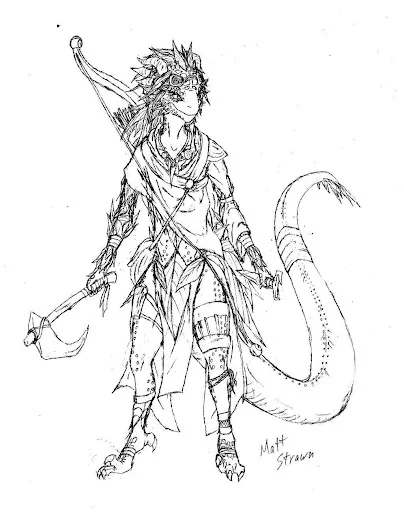
A ranger is a term for warriors, scouts, hunters, and guides who do their work—and occasionally live their lives—in the wilderness. Usually much more connected to society than a druid, a ranger often has a specific expertise and occupation that causes them to spend so much time away from towns and cities. Some rangers care deeply for the natural world and strive to maintain a 'balance' like druids, but others see it simply as an opportunity.
crafting
fighting
utility
Abilities
- Nature’s Form: Once per [Downtime] take a minute to gain one of the following till the end of your next rest: Swim Speed or Climb Speed; Unarmed Strike Weapon (Bite, Claw, Horn). 1+Tier weapon bonus; [+Tier bonus] to either Maneuver & Prowl, Overcome & Endure, or Perceive & Navigate.
- Working Rests: Once per [Rest] you can grant yourself and any party members that join you advantage on 1 rest action.
- Fluid Fighting: Once per [Scene] on your turn you can move, aim/focus, or hide as an incidental.
- Trapper: Once per [Scene] you can add the Restraining modifier to a weapon, phrase, or self-crafted tool/object and activate it without spending a strain.
- MacGuyver: Once per [Scene] you can find/make a temporarily useful tool, add a 1+Tier tool bonus to a check, after which it stops functioning.
- Hit & Run: Once per turn after incapacitating an enemy you can make a move action as an incidental.
- Trick Shot: Once per [Scene] when you aim/focus & make a called shot, you still get the benefits of aiming/focusing.
- Trailblazer: After you succeed on a check to climb, sneak through or otherwise traverse an area, your party members have advantage to do the same. In addition you’re unaffected by natural difficult terrain & after you move through it your party members are also unaffected if they take the same path.
- Universal Mediator: Once per [Rest] grant two beings that can’t normally communicate with each other the ability to do so. You can be one of them.
Subclasses
The Scout
ProwlReconnaissance: You can use Prowl as your initiative. When you do you’re considered hidden to anyone whose initiative you beat, automatically ends at the start of the 2nd round.
Trained—either formally or through a lifetime of experience—to blend into the wild and spot those attempting to do the same. The Scout is a great aid to any traveler, caravan, or army passing through unfamiliar or unfriendly territory.
The Survivalist
EndureActive Rests: Gain a third [Rest] action when resting in the wilderness. This action is TN 8.
The Survivalist is an expert at spending long stretches of time fending for themselves, often alone. They know how to take advantage of all that nature has to offer and how to keep themselves—and those around them—safe from the dangers it holds.
The Hunter
ManeuverPredator’s Mark: Once per [Rest] choose a target. Once per [Scene] roll with advantage on a Fighting, Navigate, Perceive, or Intuit check against your target.
A specialist in tracking specific targets through a variety of terrains and biomes. Once the Hunter has chosen a target there’s very little chance of escape.
The Mediator
IntuitAura of Harmony/Conflict: Once per [Downtime], shift the relationship between two beings or groups one level in either direction (Enemies, Hostile, Frosty, Neutral, Warm, Friendly, Allies). You don’t know their current status automatically—you just push it in the direction you choose.
Focused on bridging the gap between beasts, sentient creatures, and those beyond the base plane. When tensions rise between a town and the wild, the Mediator is called to ease the conflict.
The Beastfriend
SwayReciprocal Nature: Once per [Scene] when you help an animal on a check, they can help you on your next check without having to spend an action. Or vice versa.
The Beastfriend is, as the name suggests, a friend to animals. While they care for wildlife in general, they often have a specific Animal Companion. Together, they act almost as extensions of each other—more effective together than alone.
The Marksman
ThrowSure Thing: Once per [Rest] treat the result of a Shoot check as one result band higher (Success = Critical success).
While the Hunter is known for tracking and eliminating targets, the Marksman’s specialized skill in hitting exactly what they intend to—with a wide variety of ranged weapons—is unparalleled.
The Warden
LeadGuardian of Life: Once per [Rest] grant all party members the ability to take their 3rd action without spending a strain until the end of the scene.
The Warden is a ranger who guides and protects—perhaps a fellow team of rangers, a military unit, caravan, or adventuring party. Their leadership is often subtle, showing the path rather than forcing others down it.
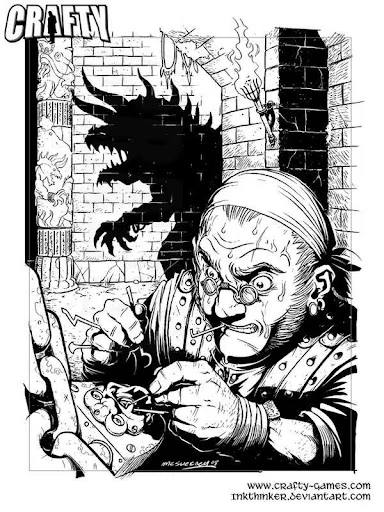
Rogues are cunning and stealthy adventurers, experts in deception, stealth, and precision attacks. They can strike from the shadows and disappear just as quickly, using their skills to manipulate the battlefield to their advantage.
crafting
fighting
social
utility
Abilities
- Working in Tandem: Once per Downtime spend a token during an action scene to give you & all party members advantage on mundane, non-fight checks made until the end of the scene.
- Cover-up: Once per Rest after critically failing a check you can reroll with a different skill. Explain how.
- Where it Hurts: Once per turn if a target is vulnerable to your attacks, they take 2 additional injuries every time they take an injury, instead of just 1.
- Loosen Them Up: An enemy is treated as out of position after you critically hit against them.
- Deceptive Maneuver: Once per Rest you can use Deception in place of another skill. Explain how.
- Unseen Killer: Once per turn after incapacitating an enemy you can make a hide check as an incidental.
- Grease the Wheels: Once per Scene you can spend a crown in place of a strain. Explain how.
- Expert Assistance: Once per Scene when you help a party member, combine your result with theirs.
- Two-headed Candle: You can take 2 downtime actions on (Tier) slots. But both actions made during that slot are made at disadvantage.
Subclasses
The Spy
PerceiveCovert Cover: Once per [Downtime] you can create a cover identity while preparing for upcoming missions. You have advantage to the first social check made in a scene when disguised in this way.
Trained in surveillance, deception, and disguise, the Spy excels at infiltration and social manipulation. Whether slipping into noble courts or enemy encampments, they thrive in plain sight.
The Assassin
BrewUnseen Strike: Once per [Scene] after hitting with an attack you can attempt to hide as an incidental.
Assassins wait in silence for their moment to strike—fast, clean, and unseen. Their kills are whispers in the dark, their escapes ghostlike.
The Thief
ManeuverAppraising Eye: You know the general value of any mundane item. Advantage to study checks made about jewels, treasure, artifacts, and similar items.
The Thief always has an eye out for what glitters, shines, or holds hidden value. Be it coins in a noble’s purse or relics buried in ancient tombs, they know what’s worth the risk.
The Mastermind
LeadSaw it Coming: Once per [Scene] after a party member fails a roll, you can take a strain to make a Leadership roll against the same difficulty to replace their roll. If you fail, you both take the consequences.
Planners and schemers, Masterminds stay ten steps ahead. They watch, adapt, and direct, ensuring their allies succeed where others would fall.
The Duelist
EndureChallenge: Once per [Rest] you can challenge an enemy as an incidental. All attacks and phrases, including buffs against you or them, have disadvantage unless it’s coming from each other. You have advantage on 1 check each round.
Skilled in one-on-one combat, the Duelist thrives in personal challenge and precision. They taunt, provoke, and dismantle foes with flair.
The Shadow
NavigateShadow Step: Once per [Rest] as an incidental while hidden, move 1 band from one shadow to another unseen.
The Shadow blends into darkness like breath into air—appearing only to strike and disappearing just as swiftly. They are the night’s whisper and the unseen blade.
The Swindler
RecallClever Ruse: Once per [Rest] after you or a party member fails a check you can roll your Presence and add it to the result.
Masters of fast talk and smooth lies, Swindlers can spin stories so convincing that even the cautious lean in. When things go wrong, they’re already on plan B—or convincing you that was the plan all along.
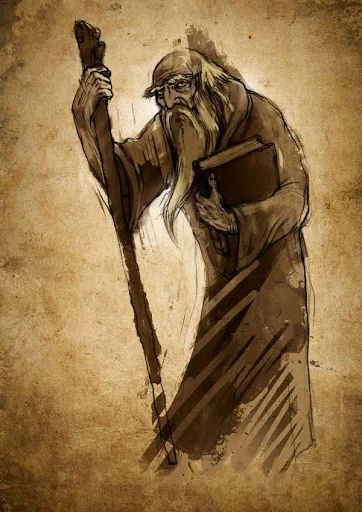
Sages are wise scholars and experts in their chosen fields. They use their knowledge to support their party, be it through crafting, research, or healing. They are often the most intelligent member of the group, offering advice and strategic guidance in challenging situations.
crafting
knowledge
utility
Abilities
- Failing Up: Once per scene, after a failed attack, you can activate a modifier without spending a strain.
- Administer Aid: Once per Scene when you heal a party member increase a chosen attribute die by 1.
- Fighting Expertise: Once per Scene make a Study check vs an enemy. Put yourself OoP to grant party members advantage on their first fighting check made against that enemy until the start of your next turn. Can be sustained like a spell but you start each round OoP. Cannot be transferred from one enemy to another.
- Technobabble: Once per Scene use Mind in place of another attribute when making a social check.
- Battle Buddy: Each Downtime choose a party member. Once per Scene each, you can use each other’s dice for a check.
- Reliable Mind: Once per Rest make a knowledge check outside of your source of knowledge with advantage.
- Joint Study: Once per Rest combine a knowledge check with a party member with a similar source of knowledge.
- Academic Assistance: During Rest & Downtime make a Study check & add it to the result of a party member’s check.
- Reactionary: Once per Scene after being hit you can take an action as an OoTI.
Subclasses
The Physicker
IntuitMedical Advice: [Tier] party members can take advantage on their healing check made during rest.
Physickers are those who see life as the most sacred resource. They dedicate themselves to mending flesh, healing minds, and keeping their companions standing against all odds.
The Inventor
ConstructInnovative Creation: Once per [Rest] imbue something you created with 1 equipment dice point. Anyone who uses it does so with +1 equipment dice point. This can be something you created in the past or are making for the first time.
Inventors dream in blueprints. They craft bizarre and brilliant solutions to complex problems and push the boundaries of what magic and machinery can do.
The Alchemist
ProwlPotion Brew: Gain +1 Equipment Dice Point in a brewer’s, alchemist’s, or poisoner’s kit of your choice at character creation. If you choose to invest more points into this, it increases like a normal tool.
Alchemists see the world as elements and energy waiting to be transmuted. Through careful mixtures and powerful concoctions, they transform ingredients into potions, poisons, and miracles.
The Loremaster
PerceiveLegends Say: Once per [Scene], after you succeed on a Recall or Study check, a party member gains a narrative token.
Loremasters are walking libraries—living encyclopedias of myths, monsters, and magic. They remember what others forget and know what most never knew.
The Planeseer
NavigateOtherworldly Experience: Choose a plane. You know a thin place leading to that plane & the conditions for travel. Once per [Scene], you gain advantage on a social or knowledge check dealing with this plane or its inhabitants.
Planeseers study the multiverse itself. They navigate cosmic forces and dangerous portals, drawing insight from the creatures and cultures beyond the mortal world.
The Anatomist
RepairUseful Parts: Once per [Rest] when making a crafting check with monstrous ingredients, treat the result as one result band higher.
Anatomists study not only how bodies live, but how they break. They’re experts at harvesting valuable components from the fallen and turning biology into utility.
The Archivist
NavigateKeeper of Knowledge: During [Downtime], you can grant one party member advantage on a knowledge check. Once per [Rest], when you fail on a non-combat check, you can make a [Mind] roll and add it to the result.
Archivists are guardians of written wisdom, protectors of forgotten truths, and seekers of ancient secrets. Their pursuit of understanding is tireless, and their minds sharp as blades.
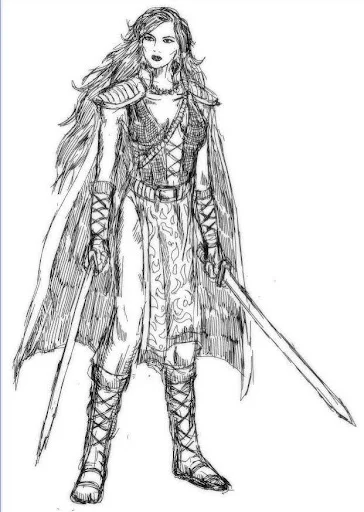
Warriors are masters of combat, proficient in all weapons and armor. They rely on brute strength, combat expertise, and resilience in the heat of battle. Their skills make them formidable opponents in any battlefield, using a combination of physical prowess and strategy to overcome their foes.
crafting
fighting
social
utility
Abilities
- Dig Deep: Once per Downtime you can take 4 actions on a turn during an action scene.
- Matter over Mind: Once per Rest before making a roll, replace one of the dice with either your Reflex or Body.
- Flexible Fighting: Once per Scene you can activate (Tier) modifiers on a weapon without spending a strain.
- Practical Magic: Once per Rest you can add your magic die to a weapon attack without spending a strain. Take the higher.
- Weapon Master: Once per Downtime add a weapon dice (equal to ½ normal weapon dice) to all fight checks without spending a strain until the end of the scene. If you spend a strain, you add your normal weapon dice instead.
- Adaptive Defense: Once per Scene after failing a defense check, make a different type of defensive check against the initial attack check.
- Adaptive Offense: Once per Scene after failing an attack check, make a different type of attack check against the initial defense check.
- Challenge: Once per Rest make an Intimidate vs MD. On a success, the target has disadvantage on any targets other than you until the end of the scene or if you move out of medium range.
- Protective Attack: When you bind an enemy, it triggers if they attack someone other than you.
Subclasses
The Soldier
MedicineAlly in Arms: Once per [Scene] on your turn, spend both actions to have you and a party member within close range make an attack against the same target. If you both hit, you can activate one of the following modifiers without taking a strain, even if they aren’t normally on either weapon: Crippling, Staggering, Pushing, Restraining.
Not one to fight in tournaments, duels or shows, the soldier fights to kill and survive. Perhaps they do so as a mercenary, or a beloved country or ideals. The soldier's moves may not be as flashy as some other warriors, but theirs are honed, precise, and executed with purpose. The question is, how does the soldier find themselves on the road, arm and arm with adventurers?
The Knight
SwayTrained & Conditioned: Treat armor as 1 category lighter for drawbacks. You don’t have disadvantage to grapple or shove actions when your hands are full.
The Knight is not just an expert in riding and fighting, they are an ideal of an honorable warrior saving and protecting those in need. Even though not all who bear the title live up to the ideal, a heavily armored hero riding in to rescue the weak is a powerful and lasting image.
The Berserker
EndureFrenzied Assault: Once per Rest, take 1–3 strain as an incidental, regain an equal amount in bonus armor. Add as many modifiers as you sacrificed injury boxes to your fighting until the end of the scene. May activate 1 modifier per round without taking a strain. This state ends at the end of a round where you neither attacked an enemy nor took an injury. You lose the bonus armor when the state ends.
A warrior of single passion and purpose, the Berserker—through perhaps some concoction or simply internal rage—is able to push their body to ignore pain in order to inflict it on their enemies.
The Monk
PerceiveMaster of Self: At the end of downtime, gain Ki points equal to Will + Tier. They can be used in the following ways:
— After a successful strike check, deal 1 injury to an enemy engaged with your initial target
— Make a second attack not at disadvantage
— Advantage on Endure, Overpower, or Prowl check
— Ignore the effects of your injuries when making a roll
— Add the following modifiers to your attack: Grappling, Dazing, Destructive, Precise
The monk is a warrior who trained and strengthens their body as a form of meditation, as a way to gain a deeper understanding of themselves. In this way they’re able to push themselves beyond the normal physical limits of their species.
The Grappler
UnmakeHold and Toss: Targets have a disadvantage on their first Resist to escape from your grapple. You have advantage on any attempts to throw beings.
The Thug
ProwlDirty Boxing: When making an unarmed or hand weapon fighting check against an out-of-position enemy, you can choose to remove the advantage. If you hit, you can activate 1 modifier without taking a strain.
The Thug is a warrior, often acting as guards, entertainers or prize fighters. They often don’t wear heavy armor or carry large weapons. But they know how to end a fight quick when they need to.
The Commander
LeadStrategic Oversight: Once per [Scene], you can do one of the following:
— Sacrifice an action to give a party member 3 actions on their next turn. They have advantage on one of their checks next turn.
— Have one party member take the effect of an enemy’s successful fight check instead of another party member. The two must be within close range, and the one receiving the injuries must be willing.
— Make a party member reroll a failed fighting check. The party member is out of position after their attack.
The Commander is a military strategist and a leader from the front lines.
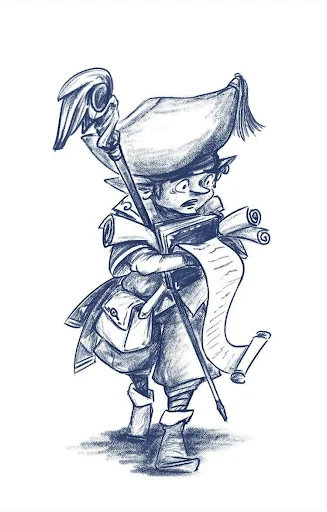
Wizards are masters of arcane knowledge, using powerful spells and magical phrases to control the battlefield and manipulate reality. They focus on brewing potions, constructing magical artifacts, and infusing objects with arcane power.
crafting
knowledge
utility
Abilities
- Mind over Matter: During any downtime or rest you can make rolls to recover strain at advantage, but rolls made to recover injuries during the same time are made at disadvantage.
- Manipulate Magic: Once per Rest treat the result of a magic check as one result band higher (crit fail = fail).
- Magical Understanding: Once per Rest add your magic die without taking a strain on a Perceive or Study check.
- Mixing Magic: Once per Scene take 1 strain to use 2 mediums and Speak a phrase. Roll both dice and take the higher.
- Knowledge is Power: You have resistance to any magical damage from your mediums.
- Siphon Magic: After failing a defensive check against a phrase or magical attack, choose one: Your next magic check is made with advantage OR your next defense check against magic is made with advantage.
- Magical Control: When you use an action to sustain a spell, you can move it to an alternate target without taking a strain. (If it's targeting an enemy, it requires another roll.)
- Efficient: When you spend a strain to lower the difficulty of a magic check, you lower it by 3 per strain instead of 2.
- Apprentices & Magical Servants: At the start or end of each downtime, automatically fill (1+Tier) segments toward an existing ritual or magical long-term project started by you or a party member. This cannot be split between multiple projects.
Subclasses
The Elementalist
OverpowerElemental Form: Choose an elemental medium (Ice, water, fire, wind, stone, etc.). You have a living conduit of it on your body. Any phrase that uses this medium adds a d2 without having to spend a strain. If you spend a strain, you add your full conduit dice as normal.
Elementalists are living extensions of their chosen element, with their magic flowing through them like the forces they command.
The Necromancer
IntimidateUndead Minions: Any attacks from permanent or temporary undead minions/companions have the vampire effect. If you take the strain instead of them on their attack, you can heal the injuries.
Necromancers bend death to their will—reanimating bones and shadow to do their bidding while drawing power from pain and sacrifice.
The Stargazer
NavigateCelestial Study: Once per [Rest], roll Study and record your higher and lower dice. At any time before a roll as an incidental, replace a party member or enemy roll with one of the recorded results. Once a result has been used, it can't be used again. Any results not used by your next rest are removed.
Stargazers look to the heavens not for fate, but for information. They see patterns others miss, guiding actions with cosmic foresight.
The Battlemage
ShootStrategic Strike: Once per [Scene], before rolling, replace one die from a fighting check with your Mind die.
Blending martial training with magical might, Battlemages bring calculated force to the front lines of arcane warfare.
The Dampener
UnmakeSyphoning Ward: You can counter-speak on a party member within long range of you. If a magic check fails against a being you're counter-speaking for (including yourself), you have advantage on the next magic check you make before the end of your next turn.
Dampeners don’t just cast spells—they silence them. With counterspells and clever shields, they unravel magic before it manifests.
The Arcanotechnologist
RepairFused Creation: You have an equipment dice point that can act as both a tool and conduit dice, either as part of your body or on your person. You can invest additional tool or conduit points into it.
Arcanotechnologists merge artifice and arcana into singular constructs. Part tinkerer, part channeler—they’re inventors of the impossible.
The Abjurer
EndureMagical Ward: While sustaining a phrase, you have bonus armor equal to your tier. It refreshes any time you Speak a new phrase but disappears if you stop sustaining. At the start of your turn, you can pass this ward to a party member within long range as an incidental.
Abjurers stand between danger and the vulnerable, wielding arcane shields and redirecting hostile magic with layered defense.
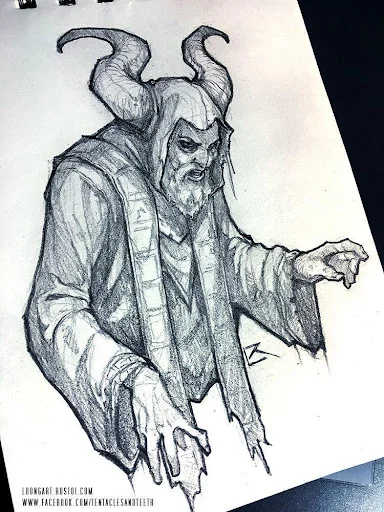
Worshipers gain understanding and power through a powerful being of divine, fae, or fiendish nature—known as gods, archfae, and devils. These beings are bound by ancient oaths and wards, unable to walk the base plane themselves. So, their chosen worshipers act as emissaries, avatars, preachers, and guides. The magical phrases of their order are closely guarded, granted only to those blessed both by the leadership and the patron themselves. Those who serve faithfully are gifted with miracles, powers, and answers to prayer to further the reach of their deity’s influence.
crafting
knowledge
social
utility
Abilities
- Group Bonding: Grant yourself, and as many allies who join you in a specific activity, advantage on a check made to recover strain during Downtime. The skill used must relate to the activity but need not be done at the same time.
- Transcendent Intervention: Once per Rest on a non-fight check, add a (d10, d12, or d20) bonus die after seeing the result. Narrate how your patron lent their aid.
- Spiritual Bond: Once per round, while sustaining a phrase on an ally, you may move in the same direction as them as an OoTI when they take a move action.
- Bond Link: Once per Scene, when sustaining a phrase on an ally, you may make a Medicine check to heal them as an incidental.
- Mutual Bond: When sustaining a phrase on an ally, if one of you takes injury, the other may choose to take all or part of the injury instead.
- Punitive Bond: Once per Scene, while sustaining a phrase on an enemy, if you take injury, you may make a magic check against the enemy as an incidental without spending a strain. This happens before your sustain check.
- Communal Bond: Once per Scene, share the benefit of a phrase you're sustaining with another party member within close range of the initial target. This lasts until the end of your next turn.
- Well Studied: Once during a Rest action, you may grant party members advantage on knowledge or crafting checks related to your source of knowledge. You may still take a personal Rest action during this time.
- Mundane Allies: Once per Rest, call on fellow worshipers for a mechanical or narrative benefit equal to a narrative token.
Subclasses
The Emissary
SwayDiplomatic Influence: Once per [Rest], set your base relationship in a scene as one level higher. Alternatively, change the relationship between two beings in the scene by one step in either direction.
Emissaries are chosen to represent the will and values of their patron, often serving as diplomats, negotiators, and charismatic envoys.
The Healer
PerceiveBlessed Touch: Once per [Scene], after making a Heal check, allow the target to ignore a number of unhealed injuries equal to the number healed. These injuries return at the end of the scene.
Healers channel divine grace through touch, temporarily mending wounds and restoring others long enough to save lives and shape legends.
The Oracle
NavigateCryptic Visions: [+attribute dice] for Intimidate and Study, [-attribute dice] for Teach. Once per [Rest], take 1 strain to roll Intuit with major advantage. Before your next rest, you may replace any check made by you or a party member with the result of that roll. Must be declared before rolling.
Oracles receive visions from their patron—sometimes clear, often mysterious—but always potent. They are burdened with glimpses of things to come.
The Zealot
StrikeRighteous Fury: Once per [Rest], you may use the Worshiper’s Transcendent Intervention ability on a fighting check.
Zealots are the blades of their faith, striking down the heretical and faithless with terrifying fervor. They are crusaders of divine wrath.
The Ascetic
RepairSpiritual Endurance: You may take 1 injury in place of 2 strain when speaking a phrase. Roll with advantage when doing so.
Ascetics deny the pleasures of the flesh to embrace spiritual clarity. Their sacrifices fuel their unshakable faith and unwavering endurance.
The Recruiter
DeceiveGuiding Light: Once per non-action [Scene], add a relevant conduit die to a social check without spending a strain.
Recruiters are silver-tongued missionaries or charming cult leaders, spreading the word and will of their patrons through persuasion and guile.
The Vessel
OverpowerChannel the Beyond: Once per [Rest], you may Speak a phrase without taking a strain or spending an action to sustain it. When the sustain ends, take injuries equal to your tier.
Vessels are direct conduits for divine or infernal power—blessed or cursed with the ability to channel their patron’s voice through their own flesh.